
Betta Fish New Tank Syndrome: How to Keep Your Betta Happy and Healthy

Imagine finally bringing your beautiful betta fish home, only to notice that it's not as lively as it was at the store. The culprit? New Tank Syndrome—a common issue for fish enthusiasts. Let's dive into what exactly this is and how you can ensure your betta thrives in its new aquatic environment.
Understanding New Tank Syndrome
New Tank Syndrome occurs when a newly set up aquarium hasn't developed the necessary biological filtration to handle fish waste. This causes ammonia and nitrite levels to spike, resulting in a toxic environment for your fish. Bettas, like many other fish, are prone to stress and health issues in such conditions. Recognizing this early can save your fish from undue stress and potential health problems. For more details on potential reasons why your fish might be sluggish, visit this resource.
The Importance of the Nitrogen Cycle
The nitrogen cycle is a crucial process where beneficial bacteria convert fish waste into less harmful substances. Initially, fish waste breaks down into ammonia, which is highly toxic to fish. Beneficial bacteria then convert ammonia into nitrite, another toxic compound. Finally, a different set of bacteria converts nitrite into nitrate, a far less harmful substance that can be removed through regular water changes. For a comprehensive guide on dealing with ammonia, you might find the essential guide for aquarists insightful.
Here's a simplified breakdown of the cycle:

- Ammonia is produced by fish waste: High levels are toxic.
- Nitrite bacteria convert ammonia to nitrite: Less toxic, but still harmful.
- Nitrate bacteria convert nitrite to nitrate: Least harmful and manageable through water changes.
Tips to Avoid New Tank Syndrome

- Cycle the Tank Before Adding Fish: Avoid adding your betta immediately. Instead, let the tank run with fish food or ammonia for a few weeks to allow beneficial bacteria to establish.
- Monitor Water Parameters: Regularly test your water for ammonia, nitrite, and nitrate levels. Utilize aquarium test kits to keep the levels within safe margins.
- Perform Regular Water Changes: Conduct partial water changes of about 20-30% weekly to keep nitrate levels low and maintain water quality.
- Avoid Overstocking: Keep to the one-gallon-per-betta rule. Overcrowding not only affects water quality but also increases stress.
- Introduce Live Plants: Plants naturally absorb nitrates and provide extra filtration, benefiting your betta and enhancing the tank's environment.
Comparing Cycling Methods
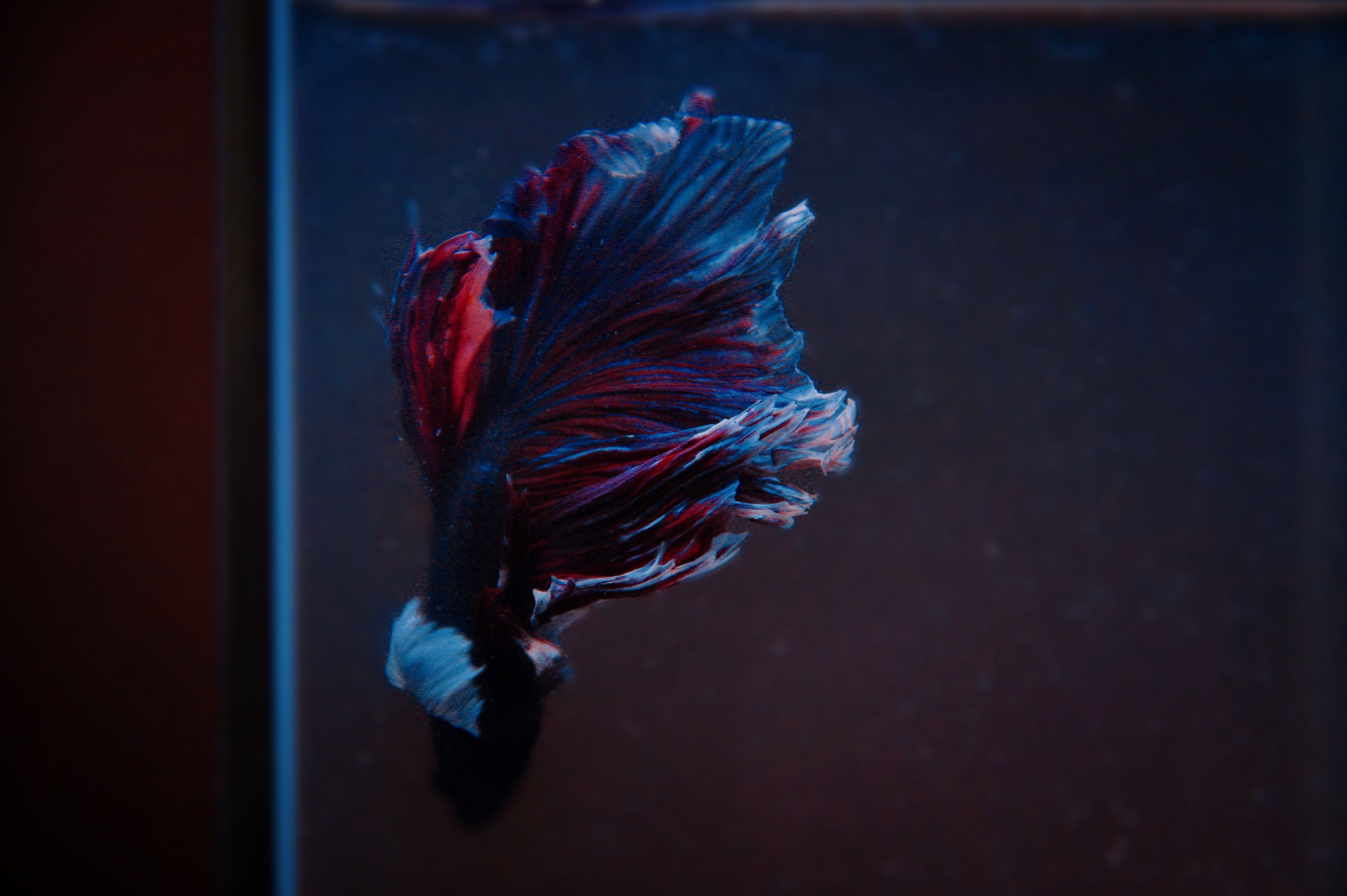
Here’s a quick comparison of different cycling methods to help you decide the best approach for your tank:
| Method | Time Required | Pros/Cons |
|---|---|---|
| Fishless Cycling | 4-6 weeks | Pros: Safe for fish, Cons: Longer setup time |
| Fish-In Cycling | 4-6 weeks | Pros: Immediate enjoyment, Cons: Stressful for fish |
| Bacteria Supplement | Days to weeks | Pros: Faster cycling, Cons: Costly |
Addressing New Tank Syndrome Symptoms
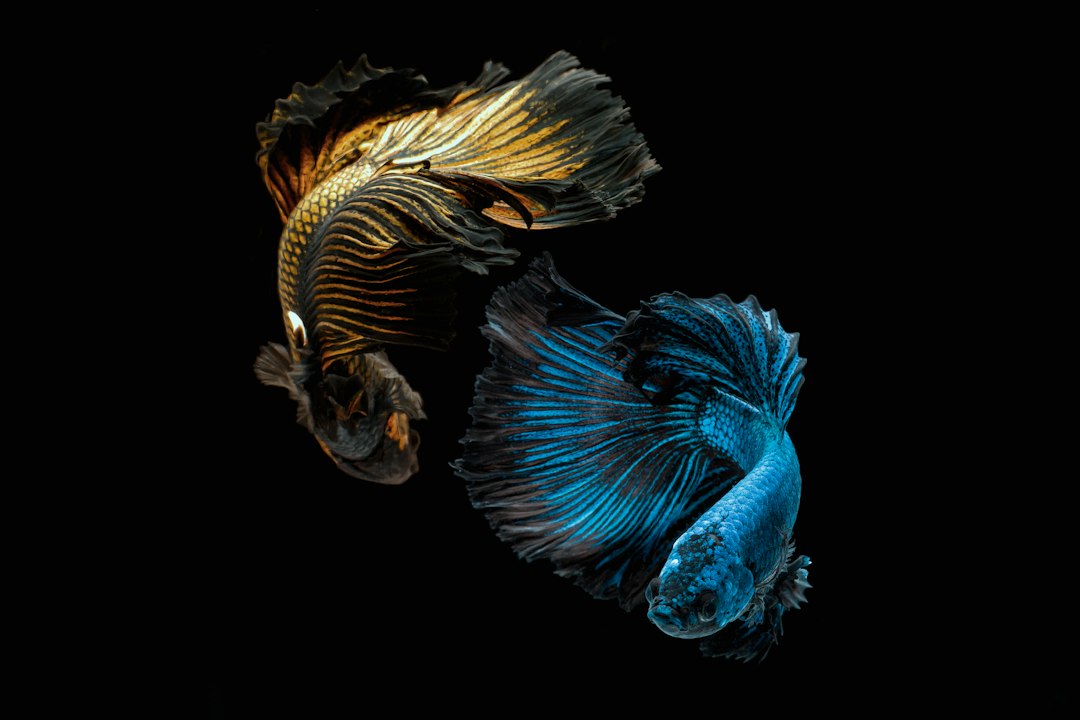
If you notice your betta gasping at the surface or displaying lethargic behavior, act quickly. Perform a large water change, reduce feeding, and check if your filtration system is functioning properly. Prompt action can mitigate the effects of ammonia and nitrite spikes. For a deeper understanding of how ammonia can affect your fish's health, read about ammonia burn black spots on goldfish.
Engage With Us
What challenges have you faced when starting a new tank for your betta, and how did you overcome them? Share your experiences or ask questions in the comments below—your insights could help fellow betta enthusiasts!
Frequently Asked Questions
How long does it take betta fish to adjust to a new tank?
Betta fish typically take anywhere from a few days to a week to fully adjust to their new tank. Providing the right water parameters, warm temperature (around 78-80°F), and minimal stressors can help speed up the acclimation process.
What are the signs of "New Tank Syndrome" in betta fish?
Common signs of New Tank Syndrome in betta fish include loss of color, clamped fins, excess hiding, reduced appetite, and lying at the bottom of the aquarium. Regular water testing and cycling can help avoid this issue.
How do I prevent New Tank Syndrome in my betta fish's aquarium?
To prevent New Tank Syndrome, it's essential to properly cycle the tank before introducing your betta. Use a good water conditioner to remove chlorine and monitor ammonia, nitrites, and nitrates regularly. Adding beneficial bacteria can also help stabilize the ecosystem swiftly.
Can a betta fish survive New Tank Syndrome?
Yes, betta fish can recover from New Tank Syndrome if the water quality improves and stress is minimized. Addressing ammonia or nitrite spikes promptly and ensuring proper tank maintenance will give them the best chance of survival.
What should I do if my betta fish develops stress symptoms in a new tank?
If your betta fish is showing signs of stress, check the water temperature, pH levels, and ammonia levels. Make gradual changes, avoid overfeeding, and provide hiding spots like plants or decorations to help reduce stress.
We hope this guide on navigating New Tank Syndrome for your betta fish has been helpful! Seeing these vibrant creatures thrive in their new environment is truly rewarding. If you're as passionate about keeping your underwater pals healthy as we are, why not stay connected with us on our journey of aquatic adventures? You can dive into more tips and beautiful visuals by following us on Pinterest and catch some behind-the-scenes peeks on Instagram. For those of you who love a good chat and the latest updates, join us on X (formerly Twitter) and become part of our growing Facebook community at Pet Fish Plants. We can't wait to connect with you and share even more about our finned friends!

[…] Illness and Parasites: Fungal infections and parasites like Ich (white spot disease) can manifest as white patches on a betta's body. Keep an eye out for other symptoms like labored breathing and lethargy, which could indicate an underlying health issue. Learn more about prevention and treatment of diseases in Betta Fish New Tank Syndrome. […]