
Are you struggling with maintaining the right levels of KH in your aquarium? You're not alone. Many aquarists find it tricky to balance carbonate hardness, or KH, which is crucial for stabilizing pH levels and maintaining a healthy aquatic environment. Let's dive into practical tips for reducing KH in your tank, ensuring a thriving habitat for your fish and plants.
Understanding KH and Why It Matters
KH, or carbonate hardness, represents the concentration of carbonate and bicarbonate ions in your water. It's significant because these ions buffer your aquarium against pH swings. A high KH means your water has a strong capacity to neutralize acids added to the tank, keeping pH stable. However, when KH is too high, it can create an environment that's unsuitable for certain species that prefer softer water.

Signs Your Aquarium Might Need Lower KH
If your aquarium displays these symptoms, it's time to check your KH levels:
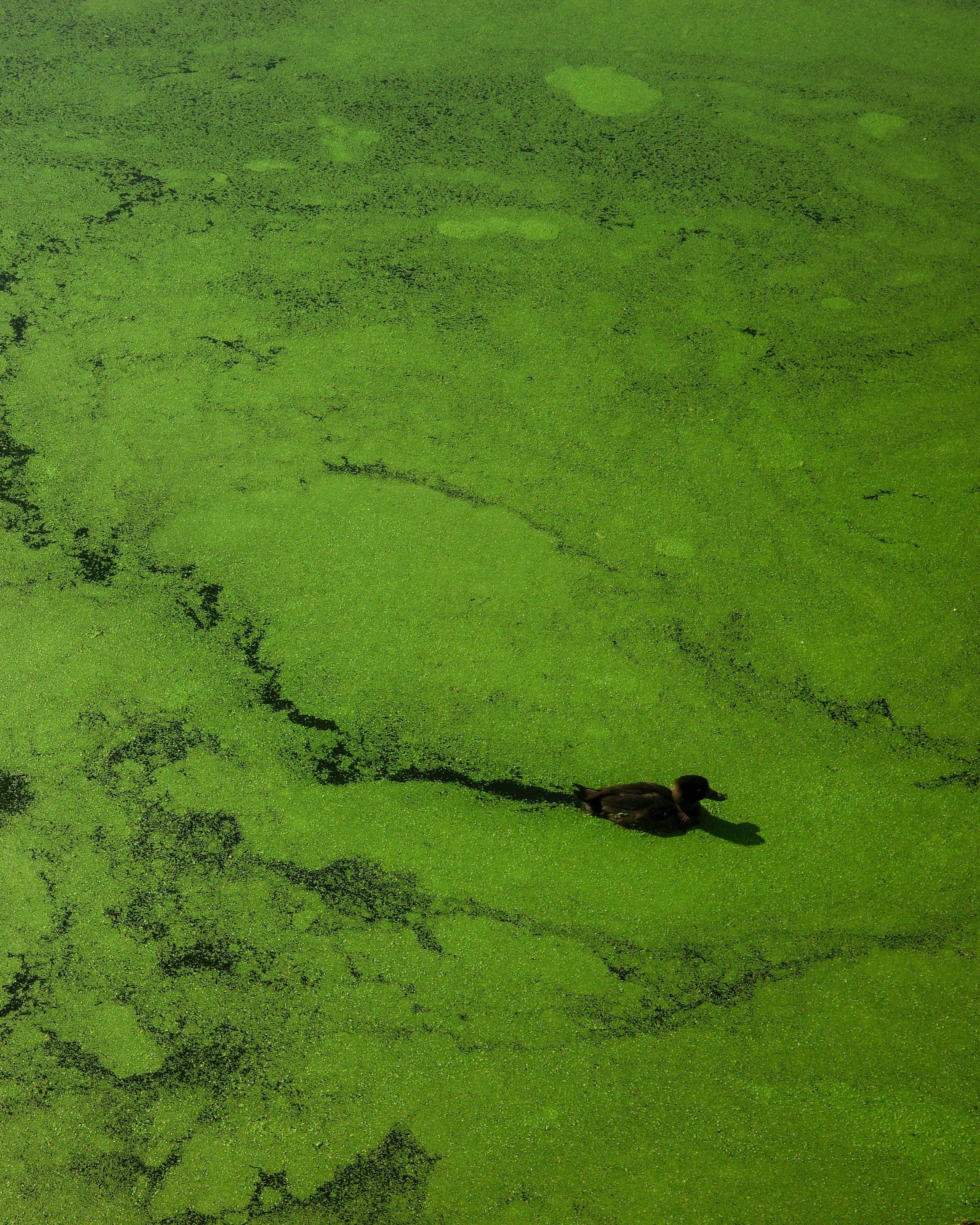
1. Algae overgrowth: Excessive alkalinity can encourage algae bloom.
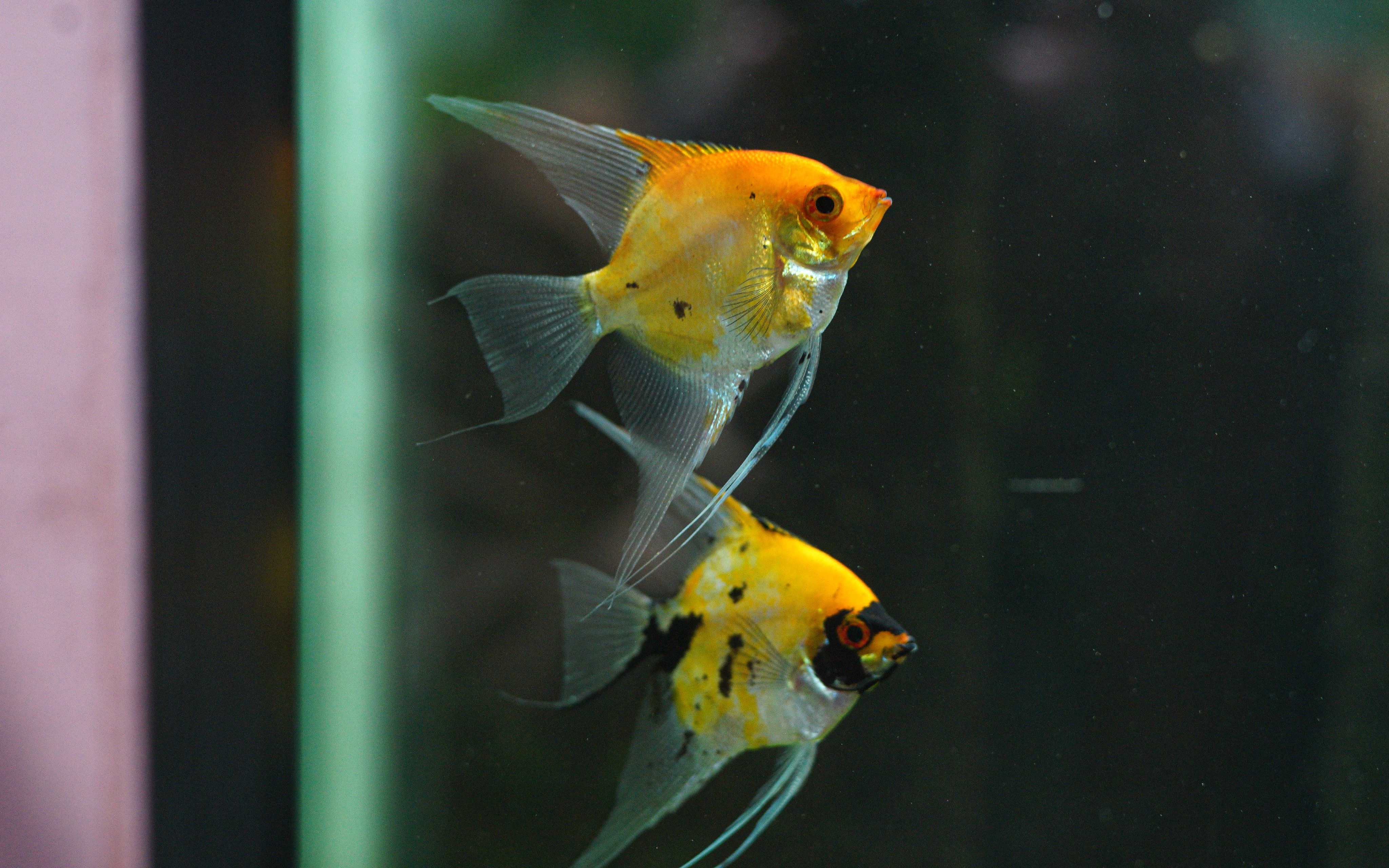
2. Fish distress: Some species become stressed in high KH environments.
3. Difficulty maintaining desired pH: High KH makes adjusting pH tough.
Ways to Lower KH in Your Aquarium
Ready to tackle KH issues? Here are effective methods to consider:
- **Dilution with RO Water**: Mix reverse osmosis (RO) water with your aquarium water. RO water lacks minerals and can help lower KH naturally.
- **Using Peat Moss**: Adding peat moss to your filter can acidify water, reducing KH over time. Be sure to monitor pH closely, as this method can significantly impact acidity.
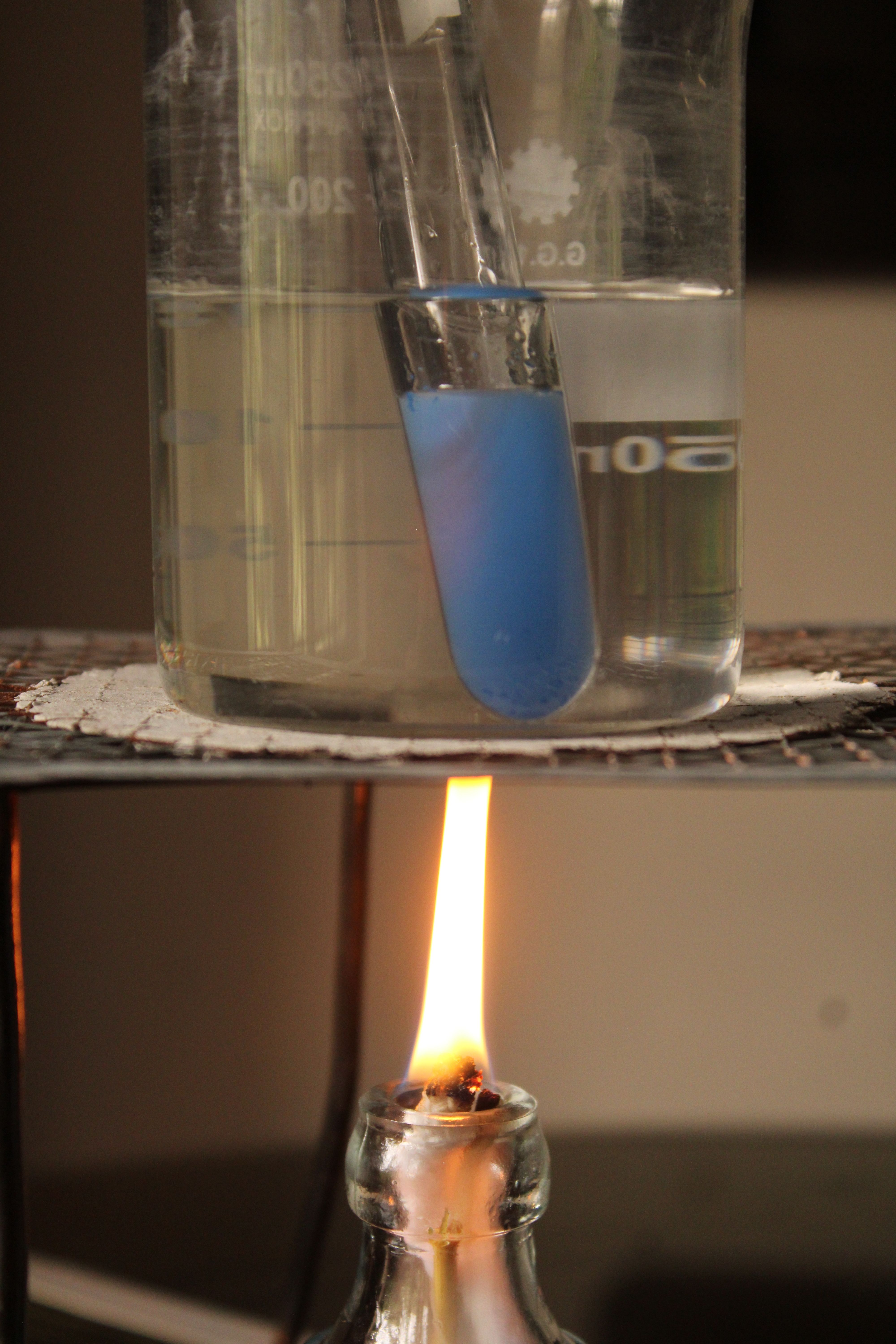
- **Boiling Water**: Sounds simple, but boiling water drives off carbonates, lowering KH. Replace a portion of tank water with boiled, de-mineralized water after it cools.
- **Commercial Products**: Several products on the market specifically reduce KH. Always follow instructions carefully to avoid negatively impacting fish and plants. For more detailed community insights and practical advice on these methods, you might want to check out this forum discussion.
Comparing KH Reduction Methods
Here’s a quick comparison of KH-reducing strategies, organized by effectiveness and complexity:
| Method | Effectiveness | Complexity |
|---|---|---|
| Dilution with RO Water | Moderate | Low |
| Using Peat Moss | High | Medium |
| Boiling Water | Moderate | Low |
| Commercial Products | High | Medium |
Regular Monitoring and Testing
No matter which method you choose, regular water testing is crucial. Test KH levels weekly, especially after making adjustments, to ensure the aquarium environment remains stable for your aquatic friends.
Focus on Fish Preference
Different fish and plants have unique water preferences. Before altering KH, research your specific species' needs to avoid creating adverse conditions.
As you navigate the complexities of KH management in your aquarium, remember that patience and testing are your best friends. Have you tried any of these methods to lower KH? Share your experiences or ask questions in the comments below—let's keep the conversation flowing!
Frequently Asked Questions
How to reduce KH levels in an aquarium?
To reduce KH levels, you can use reverse osmosis (RO) water or mix distilled water with your tap water during water changes. Additionally, adding driftwood or peat moss can naturally lower the carbonate hardness over time.
What causes high KH in an aquarium?
High KH levels are often caused by the mineral content in the water, especially if the water source is hard. Rocks, substrates, and decorations made of limestone can also contribute to increased carbonate hardness over time.
Can fish be affected by high KH levels?
Most fish can tolerate a range of KH levels, but extremely high levels can stress fish and make pH fluctuations difficult to control. Sensitive species may struggle more in high KH conditions.
How can I lower KH levels naturally?
Naturally lowering KH can be achieved by using driftwood or peat moss in your aquarium. These materials release tannins, which help reduce KH over time. Make sure to monitor water parameters regularly.
What’s the difference between KH and GH in aquariums?
KH (carbonate hardness) measures the water's buffering capacity, while GH (general hardness) measures the total amount of dissolved calcium and magnesium. Both are important for maintaining a healthy aquarium environment.
As you embark on your journey to master the art of maintaining the perfect KH in your aquarium, remember that you're part of a vibrant community of fellow aquarists all working towards happier, healthier aquatic habitats. We hope you found these tips helpful, and we’d love to hear about your own experiences and breakthroughs. Don't hesitate to connect with us and share your insights or get some inspiration from our carefully curated content on Pinterest. For a daily dose of aquarium aesthetics, hop over to our Instagram. Share your thoughts or ask questions on what you're working on through X (formerly known as Twitter), or join our ever-growing community over on Facebook. We look forward to diving deeper into the world of aquariums with you, one post at a time!
