
Can You Put a Male and Female Betta Fish Together?
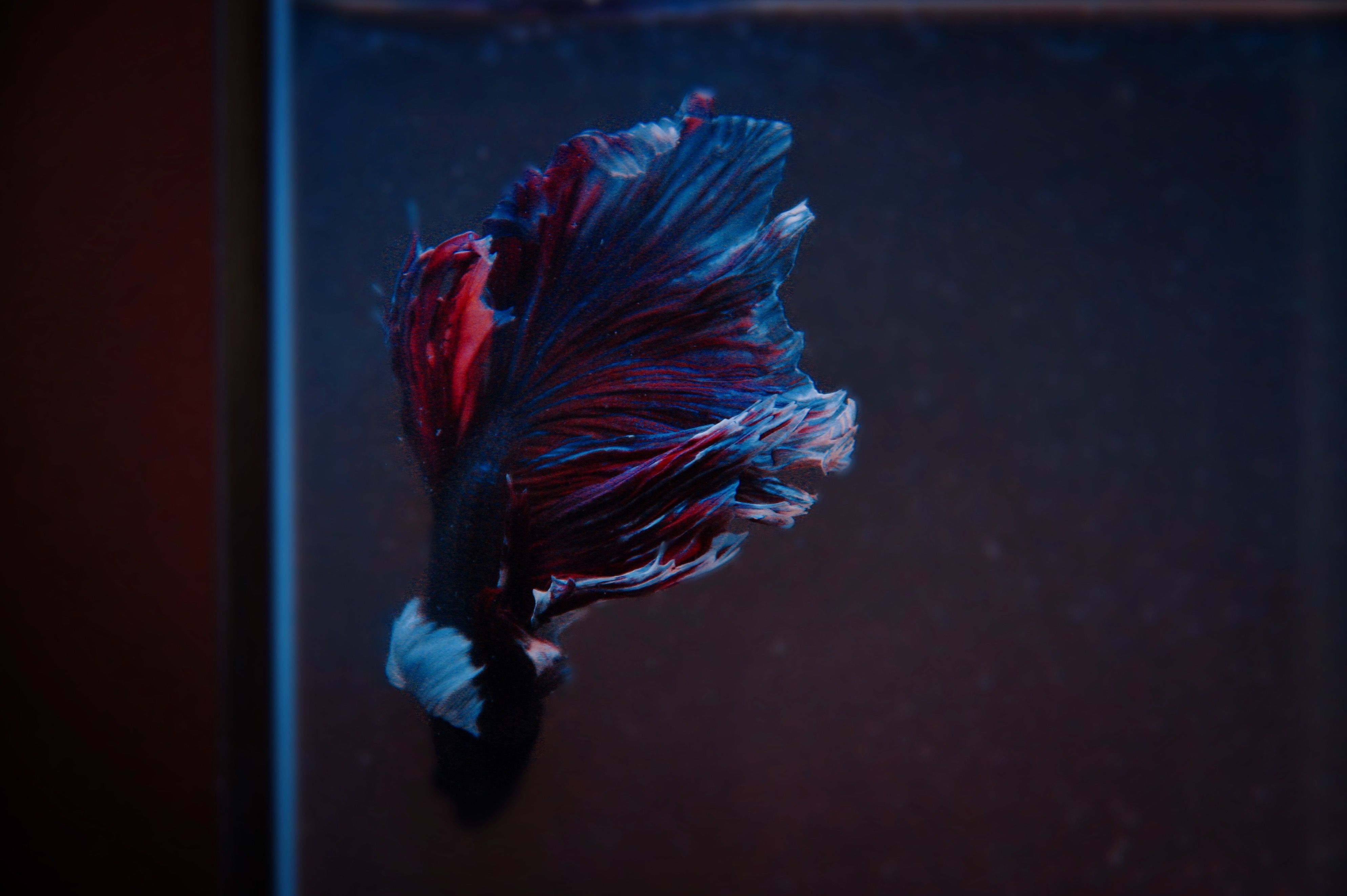
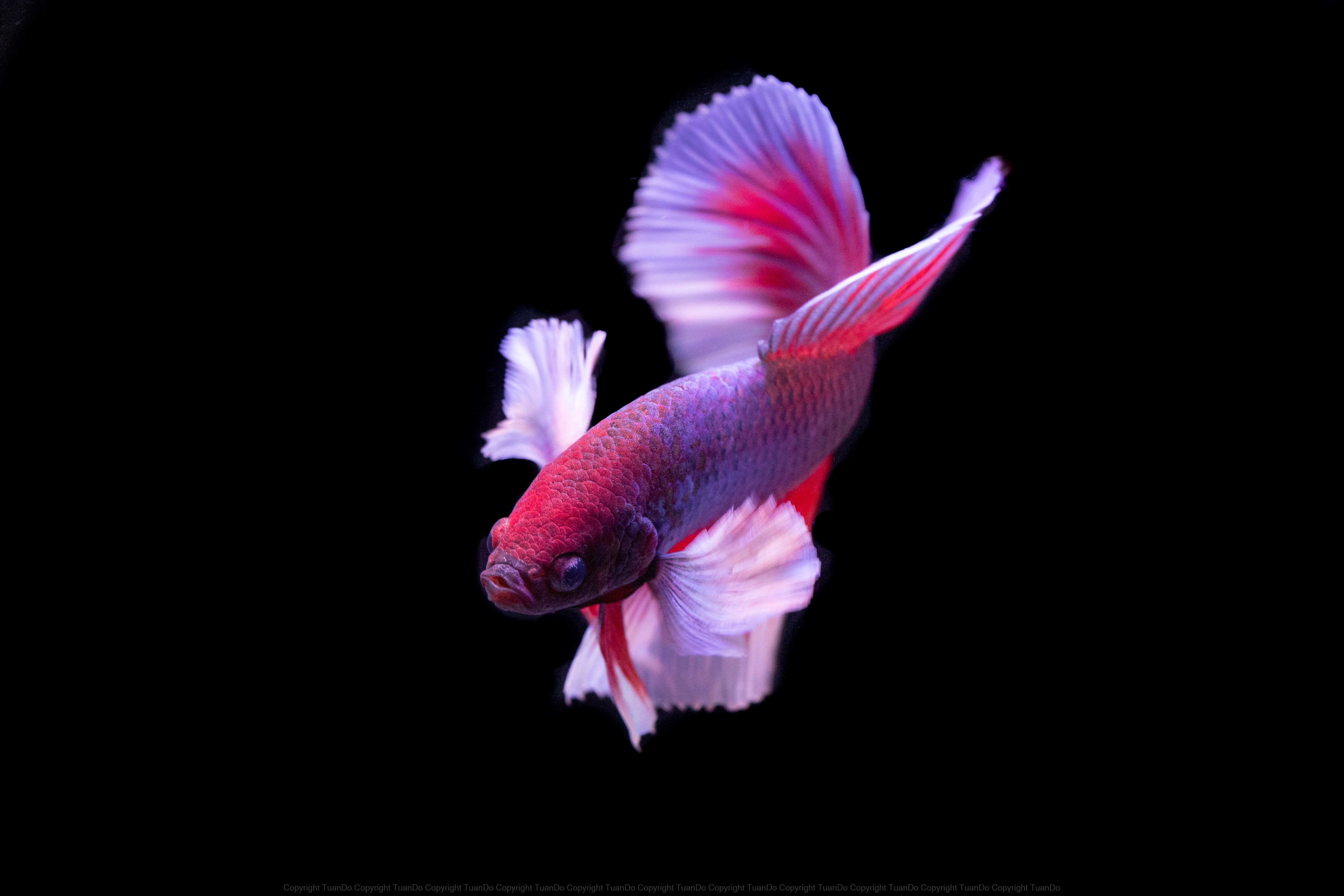
When it comes to the colorful and captivating world of betta fish, one tantalizing question many aquarists ponder is whether it's safe to keep male and female bettas together. Just like the vibrant hues of these fish, the answer isn't black and white. Let’s dive into the details to uncover the realities of betta cohabitation.
Understanding Betta Behavior

Betta fish, known as Siamese fighting fish, are renowned for their aggressive nature, particularly among males. This territorial aggression isn't a mere personality quirk—it's a survival mechanism honed in their native Southeast Asian waters. Males are notorious for viewing tank mates, especially other males, as rivals. Females, while generally less aggressive, aren't immune to territorial disputes. For more information on this behavior, learn why bettas are known for their aggression.
Safety Considerations: To Live Together or Not?
Let's address the big question: Can male and female bettas live together peacefully? The answer requires careful consideration and planning.
Why You Might Consider It:
- Breeding Purposes: Putting males and females together is essential for breeding, but this is not a permanent housing situation.
- Short-Term Cohabitation: Facilitated in controlled environments with plenty of space and hiding spots can reduce aggression. Learn more about suitable environments for male bettas.

Reasons for Caution:
- Aggression Risks: Even temporary pairings can lead to aggressive outbursts, often resulting in injury or stress.
- Space Requirements: A large, well-decorated tank is crucial to provide territories and visual barriers.
- Long-Term Compatibility: Natural incompatibility means long-term cohabitation is usually not sustainable.
For more guidance, refer to this ultimate compatibility guide for bettas.
Here’s a glimpse at how environment can impact betta harmony:
| Tank Size | Space Needed | Compatibility Chance |
|---|---|---|
| Small (Less than 10 gallons) | Too Cramped | Low |
| Medium (10-20 gallons) | Fair Space | Moderate |
| Large (More than 20 gallons) | Ample Space | Higher |
Maximize Betta Harmony

If you're determined to house male and female bettas together, consider these crucial tips:
- Ample Environment: Invest in a spacious tank, ideally over 20 gallons, with lots of plants and decor to provide hiding spots and visual blocks.
- Professional Guidance: Work with an expert if attempting to breed, to ensure compatibility and stress minimization.
- Monitoring: Keep a close eye on interactions. Be prepared to separate them at the first sign of aggression. For more insights, visit this guide on betta tank mates.
Be prepared with a plan: Temporary cohabitation occasionally requires rapid intervention to maintain the health and safety of both fish.
Invite your insights: Have you tried keeping male and female bettas together before? What worked or didn't work for you? Share your experiences and thoughts in the comments below!
Frequently Asked Questions
Can you put a male and female betta fish together?
No, male and female betta fish should not be kept together outside of a controlled breeding environment. Male bettas are territorial and may become aggressive toward females, leading to stress or injury for both fish.
Why can't you touch betta fish?
Touching a betta fish can remove the protective slime coating on their scales, making them susceptible to infections and diseases. It is best to avoid touching them and observe their beauty from outside the tank.
What happens if a male and female betta fish are kept together?
When housed together, male and female bettas will often become aggressive, especially if they are not ready to breed. This can result in injury or stress that is harmful to their health.
How can you safely introduce betta fish to each other?
Betta fish introductions are risky and only recommended for breeding purposes. Even then, a separate tank is needed to manage their interactions. Always monitor them closely and separate them if aggression arises.
What are some signs of stress in betta fish?
Signs of stress in betta fish include clamped fins, lack of appetite, erratic swimming, or hiding frequently. These behaviors may indicate issues with their environment or tank mates.
Inquiring minds, curious about the harmonious—or sometimes not so harmonious—interaction of male and female bettas can rest easy knowing there's a community ready to demystify the aquatic enigma. If you’ve got a thirst for more fishy tales and aquatic insights, why not dive deeper with us? We’re always sharing vibrant fishy inspirations and tips. Join our visual journey on Pinterest, or catch a glimpse of the underwater world through the lens of our camera on Instagram. Conversations are just a tweet away on X, and we'd love to hear your insights or stories on our Facebook page. Dive in and let’s keep the conversation swimming!
