
Why Is My Goldfish Not Eating?
Is your goldfish turning up its nose at its once-favorite flakes? Or is it simply refusing to eat, and you’re starting to worry? Let’s dive into the possible reasons your goldfish might not be eating and what you can do to get its appetite back on track.
Common Causes of Appetite Loss in Goldfish
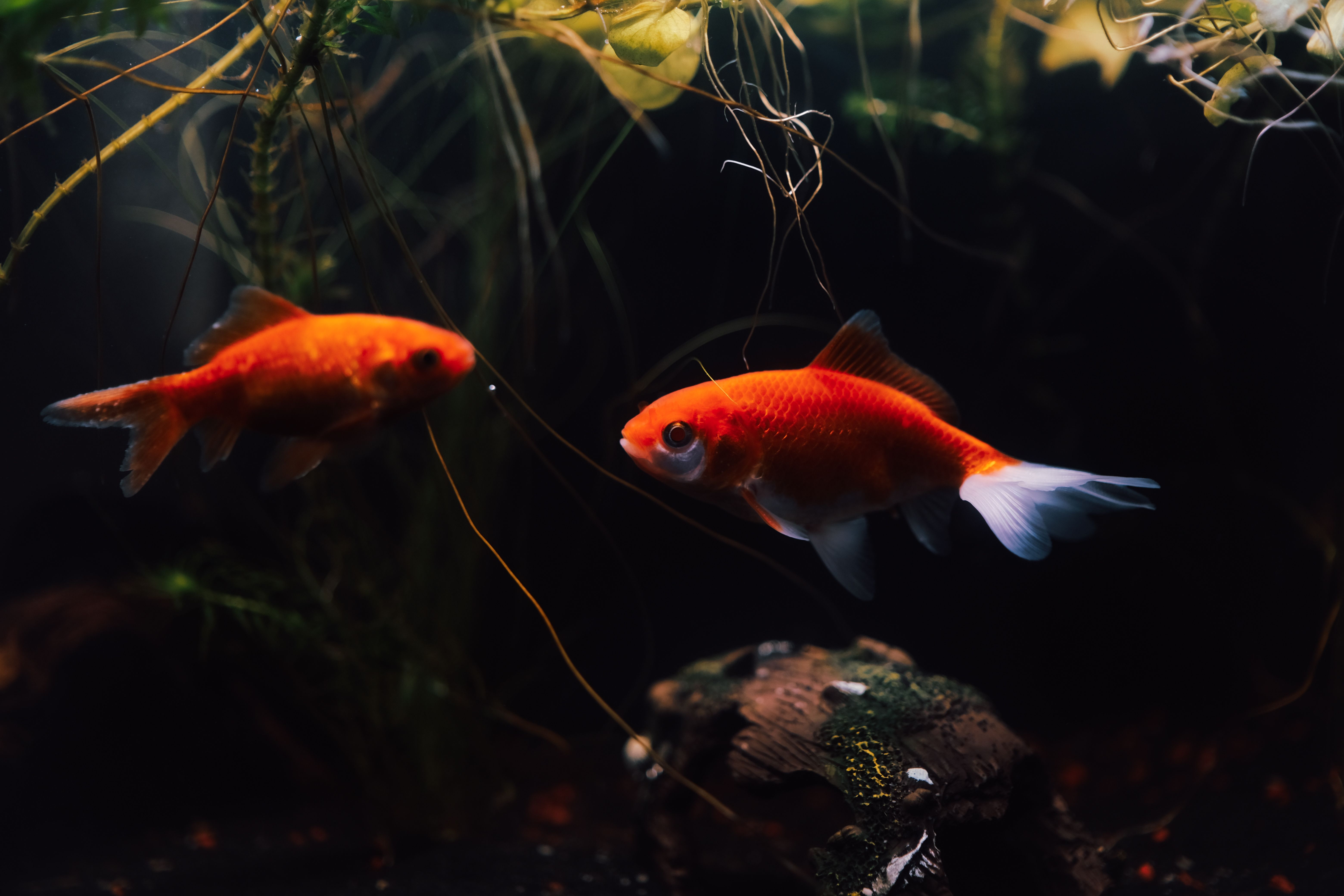
Goldfish are like the perpetual toddlers of the aquarium world—they can be finicky and quirky about their eating habits. Here are some potential culprits affecting your goldfish’s appetite:
1. Water Quality Issues
Goldfish are sensitive creatures; poor water quality is often a major suspect when they stop eating. Elevated ammonia and nitrate levels can stress your fish, leading to a loss of appetite. Ensure your goldfish’s preferred water temperature by referring to What Temperature Do Goldfish Like: Optimal Heat for Health.
Quick Fixes:
- Test your water regularly using a reliable aquarium test kit.
- Perform a partial water change of about 20-30% weekly to keep toxins in check.
- Ensure your filter is working efficiently to maintain good water conditions.
2. Proper Diet and Feeding Routine
Feeding your goldfish the wrong type or amount of food can also discourage them from their meals. Overfeeding can lead to water pollution and obesity, while underfeeding can make your goldfish malnourished. Learn the best time to feed goldfish for optimal health and growth.
Feeding Guidelines:
- Offer a varied diet that includes high-quality flakes, pellets, and occasional treats like freeze-dried brine shrimp.
- Feed your goldfish only as much as they can consume within 2-3 minutes, twice a day.
3. Stress Factors
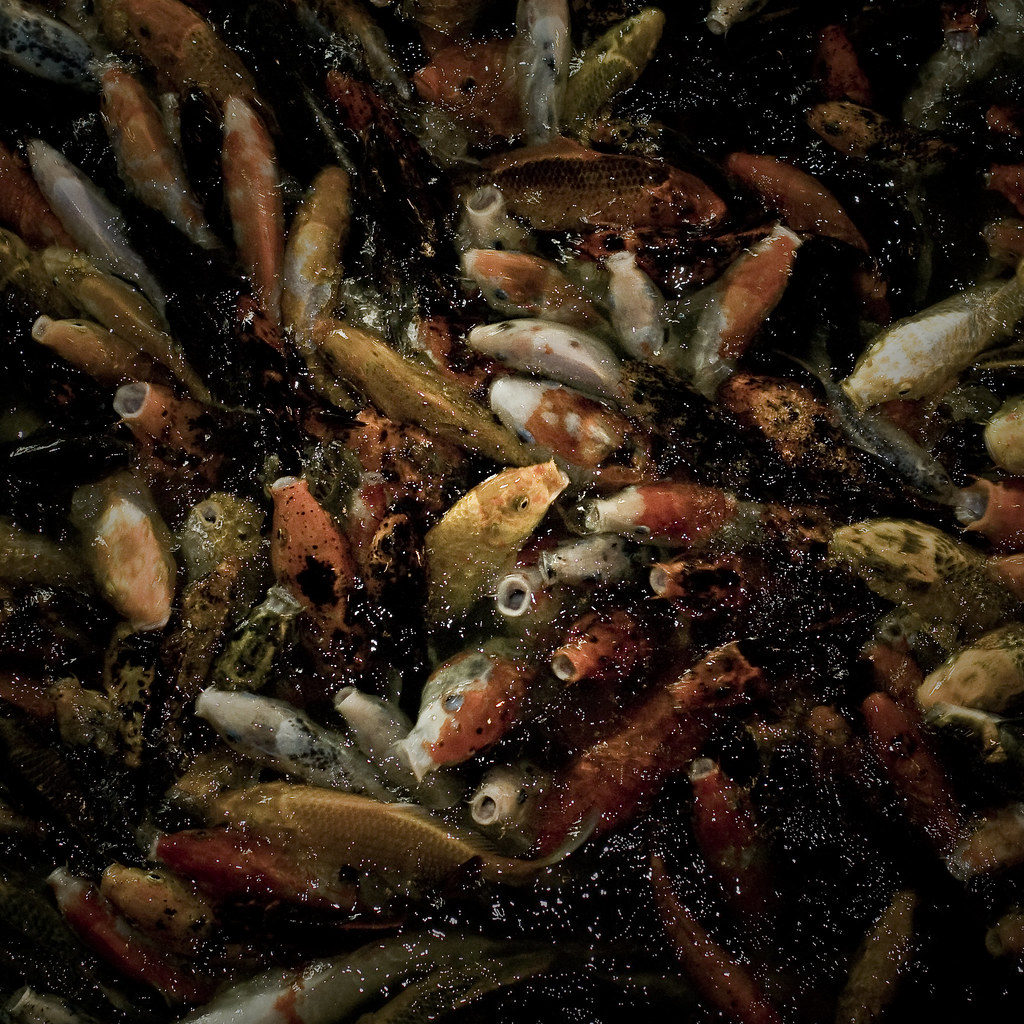
Stress is a silent appetite killer for goldfish. It can stem from sudden changes in their environment, overcrowding, or a bully in the tank. For maintaining a balanced pH, check out the pH Level for Goldfish: The Ultimate Care Guide.
How to De-Stress:
- Ensure your tank is set up to mimic their natural environment with plants and decorations.
- Avoid sudden changes in water temperature or lighting.
- Observe tank dynamics and separate any aggressive fish if necessary.
4. Health Concerns
At times, the issue may be health-related, such as infections, parasites, or diseases like swim bladder disorder, which affect your goldfish’s ability to navigate its environment and feed comfortably. If your fish has visible symptoms like red spots, consider reading Red Spots on Goldfish: Causes and Remedies Explored.
When to Seek Veterinary Advice:
- Look for signs of illness, such as visible spots, swelling, or erratic swimming.
- Consult an experienced aquatic veterinarian if symptoms persist despite your care efforts. Learn more about addressing specific health issues by reading How to Treat Fin Rot in Goldfish: A Complete Guide.
Goldfish Appetite at a Glance
| Cause | Solution | Notes |
|---|---|---|
| Water Quality | Regular Testing & Changes | Keep toxins low |
| Diet | Varied & Proper Amount | Avoid overfeeding |
| Stress | Comfortable Environment | Watch for tank bullies |
| Health Issues | Veterinary Care | Check for symptoms |
What’s the strangest behavior you’ve seen in your goldfish? Do you have other tips for encouraging a finicky fish to eat? Share your experiences and advice in the comments—after all, we goldfish enthusiasts are in this together!
Frequently Asked Questions
What should I do if my goldfish is not eating?
If your goldfish is not eating, check the water quality, as poor conditions often cause stress. Ensure the temperature is appropriate for goldfish (65-75°F), and inspect for signs of illness like unusual spots or behavior. Isolate the fish if you suspect disease and consider consulting a vet for further care.
Why is my goldfish not eating and lying at the bottom?
A goldfish lying at the bottom and refusing food may indicate swim bladder issues, stress, or illness. Check for ammonia, nitrite, or nitrate spikes, and make tiny water changes if needed. It’s also crucial to ensure your fish is not overfed, which can sometimes cause digestive issues.
What should I feed my goldfish if they stop eating flakes?
If your goldfish refuses flakes, try switching to alternatives like sinking pellets, gels, or fresh foods such as thawed peas (with skins removed) or blanched vegetables. Offering a varied diet helps maintain their interest and supports overall health.
How can I tell if my goldfish is sick?
Signs of a sick goldfish include clamped fins, lethargy, discoloration, rapid gill movement, or visible spots or infections. Regularly monitoring their behavior and appearance helps you spot early signs of illness and take prompt action.
Can stress cause a goldfish to stop eating?
Yes, stress is a common cause of appetite loss in goldfish. Factors like sudden temperature changes, overcrowded tanks, or poor water quality can contribute. Addressing these issues and creating a stable environment can encourage your goldfish to resume feeding.
If you're finding yourself swimming in circles over your goldfish's eating habits and want to dive deeper into more fishy insights, why not join our community? We love to share tips, tricks, and fun facts about pet care. Whether you're a seasoned aquarist or just beginning your journey, there's always something new to discover. Connect with us on Pinterest for a splash of creativity, or swim over to our Instagram page for daily aquatic inspiration. You can also join the conversation on X (formerly Twitter) and share your own goldfish stories. And let’s not forget, our Facebook page is always buzzing with vibrant discussions and helpful advice. We're excited to hear from you and help your goldfish get back to its happy, hungry self!
