
Looking to Maintain a Pristine and Clear Pond?
Algae eaters might be the solution you need. They work quietly, eliminating unwanted algae while you relax and enjoy your beautiful water feature. But which ones are best for your pond? Let's dive in.
Different Types of Algae Eaters
When considering algae eaters, it's important to know that not all species are created equal. Each comes with its unique benefits and potential drawbacks. Here's a quick look at some popular options:
| Type | Pros | Cons |
|---|---|---|
| Snails | Low maintenance | Can overpopulate |
| Fish | Visually pleasing | Might require more care |
| Plants | Natural oxygen provider | Coverage depends on species |
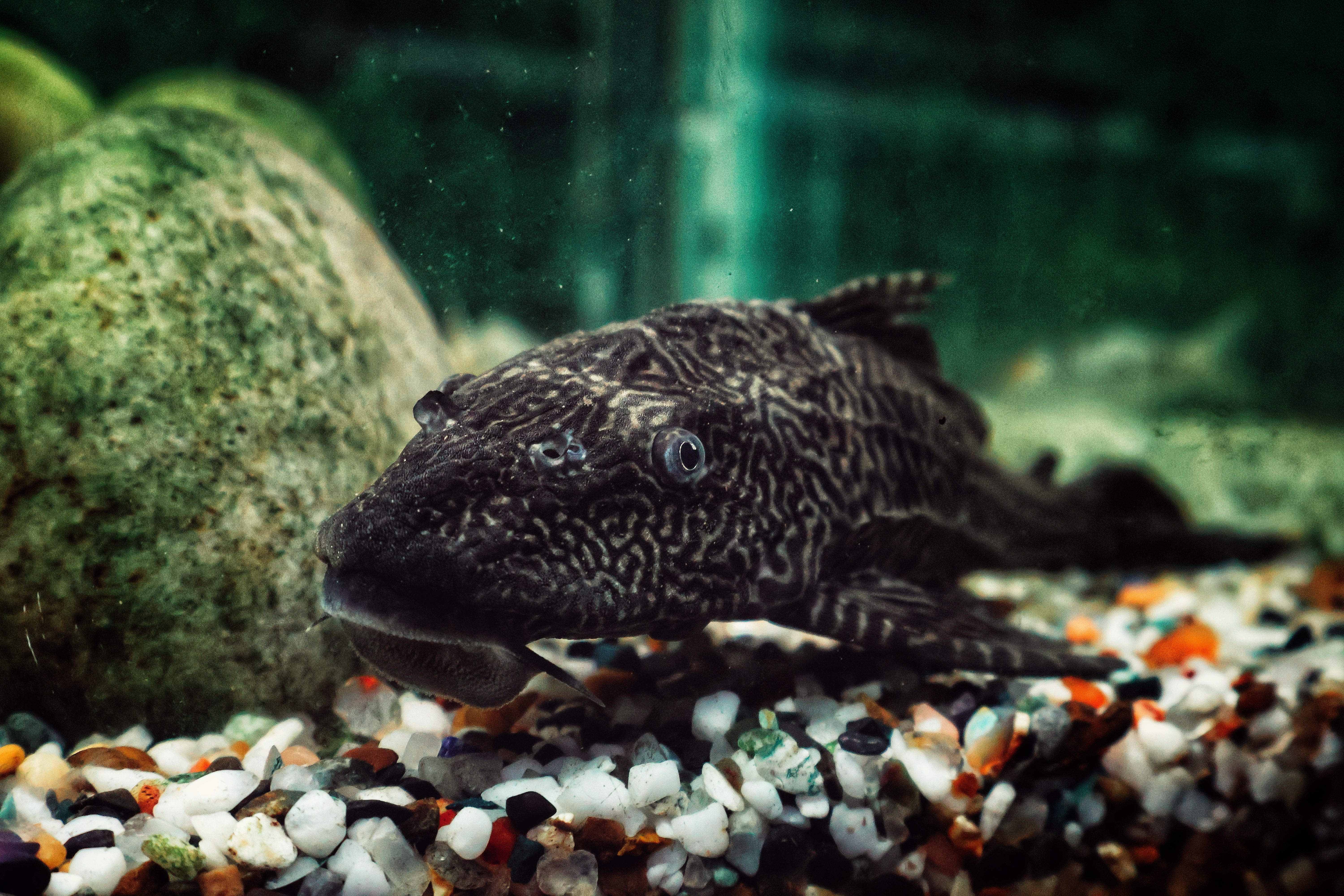
Fish – The Classic Choice
Fish are perhaps the most popular choice for algae control. Varieties such as koi and goldfish are not only effective graffiti artists on the canvas of algae surfaces but also add life and motion to your pond. Common plecos and Chinese algae eaters are other fish options specifically known for their herbivorous diets and knack for clearing algae.
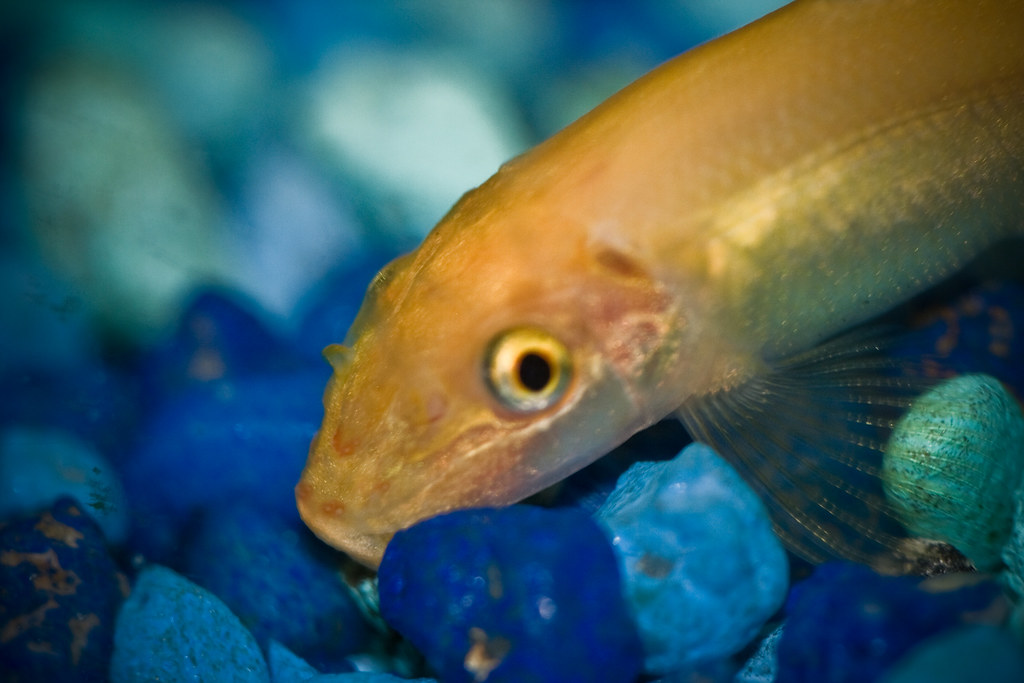
Before adding fish, consider their size and compatibility with your pond environment. Overcrowding can lead to poor water quality, while incompatible fish may nibble on plants or even each other.
Snails – The Underrated Workhorses
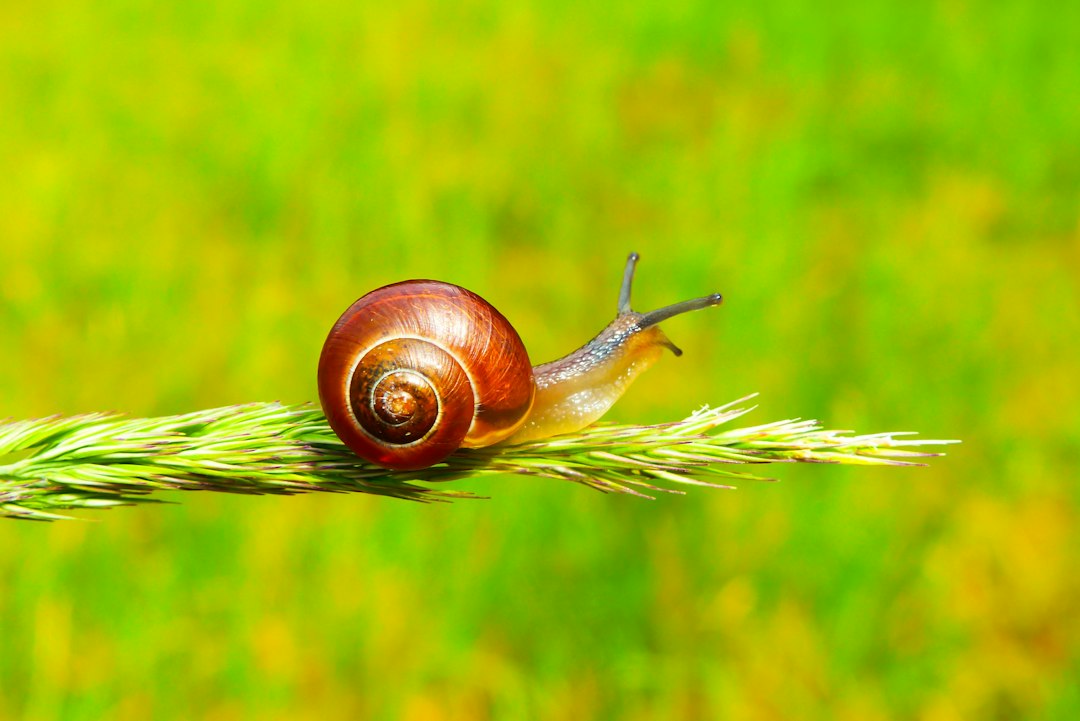
Snails like the Japanese trapdoor snail are indefatigable when it comes to polishing off layers of algae. These shelled dynamos scuttle along surfaces, quietly consuming anything green and slimy.
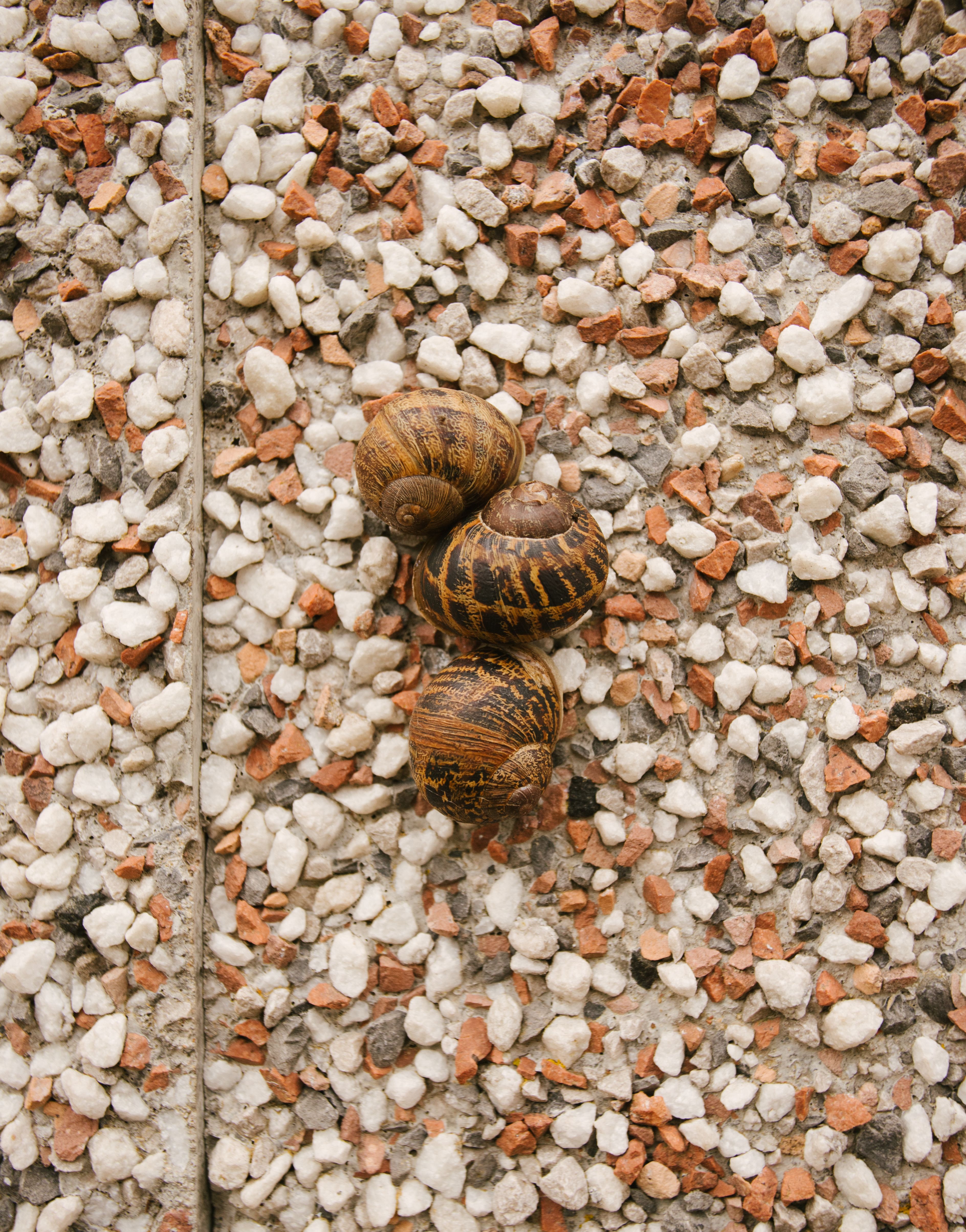
Despite their benefits, there is one cautionary note: certain species can breed rapidly and take over if not kept in check. Keep an eye on their numbers and introduce controls if needed.
Aquatic Plants – The Natural Competitor
Don't underestimate the power of competition when it comes to managing pond algae. Plentiful aquatic plants can naturally inhibit algae growth by competing for nutrients and light. Water lilies, water hyacinth, and duckweed are excellent choices that not only drink up nutrients but also provide shade, further reducing algae growth.
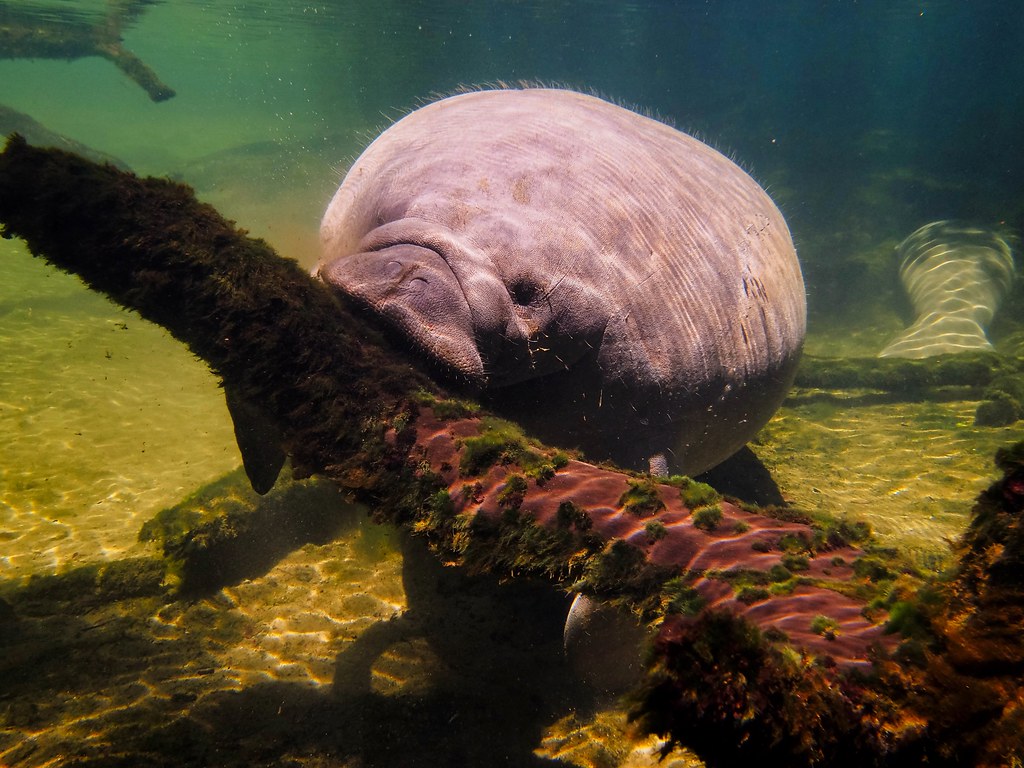
Plants have the added benefit of reducing the carbon footprint of your pond by providing oxygen. This makes them a sustainable choice for maintaining clear waters.
Maintaining Balance
While algae eaters can work wonders, maintaining a healthy pond environment is crucial to ensuring their effectiveness. Here are some tips:
- Proper Feeding: Avoid overfeeding fish, as leftover food contributes to nutrient levels that fuel algae blooms.
- Filtration Systems: Use a good filtration system to keep the water moving, which discourages algae growth.
- Regular Maintenance: Even with algae eaters, some manual cleaning and debris removal will keep your pond in top shape.
So, ready to transform your pond into a clean, serene oasis? Which algae eater will you bring home to be nature's cleaning crew? Share your experiences, and let’s talk about which option is the MVP of your water garden!
Frequently Asked Questions
Can I put an algae eater in a pond?
Yes, you can put algae eaters in a pond as long as they are species suited to outdoor conditions. Popular pond algae eaters include grass carp, plecostomus, and goldfish. Ensure they are compatible with your pond size and climate before adding them.
What are the best algae-eating fish for ponds?
Some of the best algae-eating fish for ponds include grass carp, Siamese algae eaters, koi, goldfish, mosquitofish, and common plecostomus. Each has unique characteristics, so choose based on your pond’s size and algae issues.
Do algae eaters help control pond water quality?
Algae eaters can help improve pond water quality by consuming algae that might otherwise grow unchecked. However, they should be used in conjunction with other maintenance practices like filtration and water testing for optimal results.
How do I get rid of algae in my pond effectively?
To manage algae in your pond, use a combination of algae-eating fish, proper filtration, regular cleaning, and limiting sunlight exposure. Additionally, minimizing nutrient buildup from fish food and debris helps prevent algae overgrowth.
What are the common problems when using algae eaters in ponds?
Common issues include overpopulating algae eaters, incompatible fish species, and neglecting other pond maintenance routines. Always research the specific needs and behaviors of the algae eater species you choose to avoid potential problems.
As you embark on the exciting journey of choosing the perfect algae eater for your pond, remember that it's all about finding the right balance for your little aquatic paradise. We're thrilled to be part of your pond adventures and would love to stay connected. If you're eager for more tips and stunning pond inspiration, follow us on Pinterest and dive into a world of aquatic beauty. For a daily splash of pond brilliance and perhaps a behind-the-scenes peek into our pond musings, check out our vibrant community on Instagram. And, of course, don't miss out on our latest updates by following us on X or joining our friendly pond-loving crew over on Facebook. It's always a delight to share these green adventures with you!
