
Why Fish Don't Need Legs: A Dive into Aquatic Adaptations

Ever wondered why your goldfish isn't doing the cha-cha across its tank? If you've pondered whether fish have legs, you're not alone. The short answer is they don't—but the reasons why are fascinating and deeply rooted in evolution.
Fins Over Legs: Why Fish Are Built for Swimming

Fish are the ultimate swimmers, and their sleek bodies are a testament to millions of years of evolution. Their fins are the stars of the aquatic world, expertly designed for movement in water. Here's why fins trump legs in the underwater realm:
- Propulsion: Fins provide powerful thrust and make maneuvers like darting and gliding a breeze. Imagine trying to swim with legs—efficiency would plummet.
- Stability: Fins help fish maintain balance and orientation, ensuring they can navigate complex aquatic environments with ease.
- Speed and Agility: The hydrodynamic shape of fins allows for rapid changes in direction and speed, essential for escaping predators or catching prey.
Life Beneath the Waves: Adaptations That Make Fish Unique

Fish are perfectly equipped for their watery world thanks to several key adaptations:
- Gills: Allow fish to extract oxygen from water, eliminating the need to surface for air.
- Swim Bladder: Helps maintain buoyancy, so fish don't sink or float without effort, which would require the support of strong limbs.
- Body Shape: Streamlined for minimizing resistance and enhancing speed while swimming.
Ancestors of Fish: A Glimpse Into Evolutionary History

The legless state of modern fish is not due solely to a lack of evolutionary innovation. Their ancestors were among the first vertebrates to develop limbs:
| Ancestor | Characteristics | Era |
|---|---|---|
| Ichthyostega | Early vertebrates with limb-like fins | Devonian |
| Tiktaalik | Transitional features between fin and limb | Late Devonian |
| Coelacanth | Lobed fins with bone structures | Middle Devonian - Present |
Fish Today: Diversification and Specialization
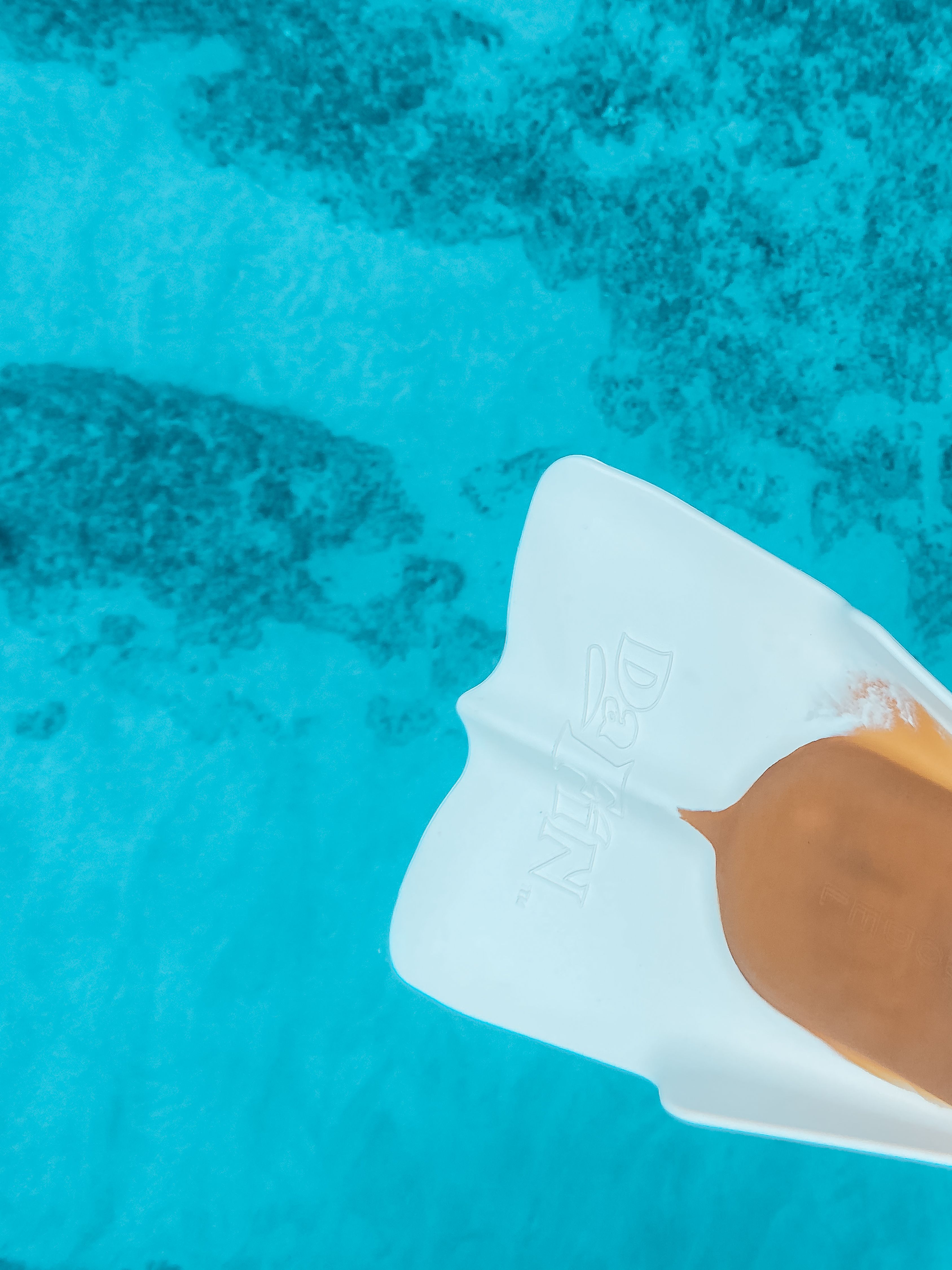
Today, fish demonstrate an extraordinary range of adaptations, catering to their diverse environments:
- Bottom-Dwellers: Scavenge along the ocean floor using modified fins to “walk” on submerged surfaces.
- Flying Fish: Glide over water surfaces using long, fin-like wings.
- Anglerfish: Exemplify extreme adaptation with bioluminescent lures to attract prey in deep, dark waters.

These adaptations underscore the vast biodiversity of fish and their unparalleled ability to thrive in various habitats.
While fish may not strut around on legs, their evolutionary adaptations make them some of nature's most proficient and versatile creatures. So, next time you watch a fish gliding effortlessly through water, marvel at its incredible design and the fascinating evolutionary journey that brought it here.

What aquatic creature intrigues you the most, and what unique adaptations can you share about them? Dive into the comments and share your aquatic musings!
Frequently Asked Questions
Do fish have legs?
Most fish do not have legs, but some species, like sea robins, have leg-like appendages. These appendages help them "walk" on the ocean floor, alternating between walking and swimming as needed.
Which fish have leg-like structures?
Sea robins are known for their leg-like appendages. These unique structures assist them in navigating the ocean floor, using a combination of walking and swimming movements.
Why do sea robins have leg-like appendages?
Sea robins use their leg-like appendages to search for food and move efficiently on the ocean floor. These appendages allow them to feel and taste their environment, enhancing their ability to find prey.
Can fish walk on land with legs?
While most fish are confined to water, some species like mudskippers and certain types of lungfish can move on land using their fins or body movements. However, true leg structures are not present in these species.
What makes sea robins unique?
Sea robins are unique due to their leg-like appendages and the ability to perceive their surroundings through these structures. They use them for walking, tasting, and detecting prey on the seabed.
Whether you're a seasoned aquarist or just fish-curious, there's so much more to discover about these fascinating aquatic creatures and their unique adaptations. Dive deeper with us by exploring our collection of engaging content on Pinterest, where we splash about with more fin-tastic insights and visuals. For the picture-perfect moments of our underwater adventures, pop over to our Instagram. Stay updated with our latest fish tales and share a chuckle or two on X (formerly Twitter), or swim by our community on Facebook where we share, learn, and laugh together. We'd love to hear your thoughts on why "fins over legs" really is the way to go!
