

Isn't it fascinating to learn that not all fish share the same aquatic prowess when it comes to navigating the waters? While fish are typically synonymous with graceful swimming, some surprise us with their inability—or peculiar adaptations—related to swimming. Let’s dive into this intriguing world where the currents don’t guide every scale-clad creature to effortless movement.
The Paradox of the Blobfish
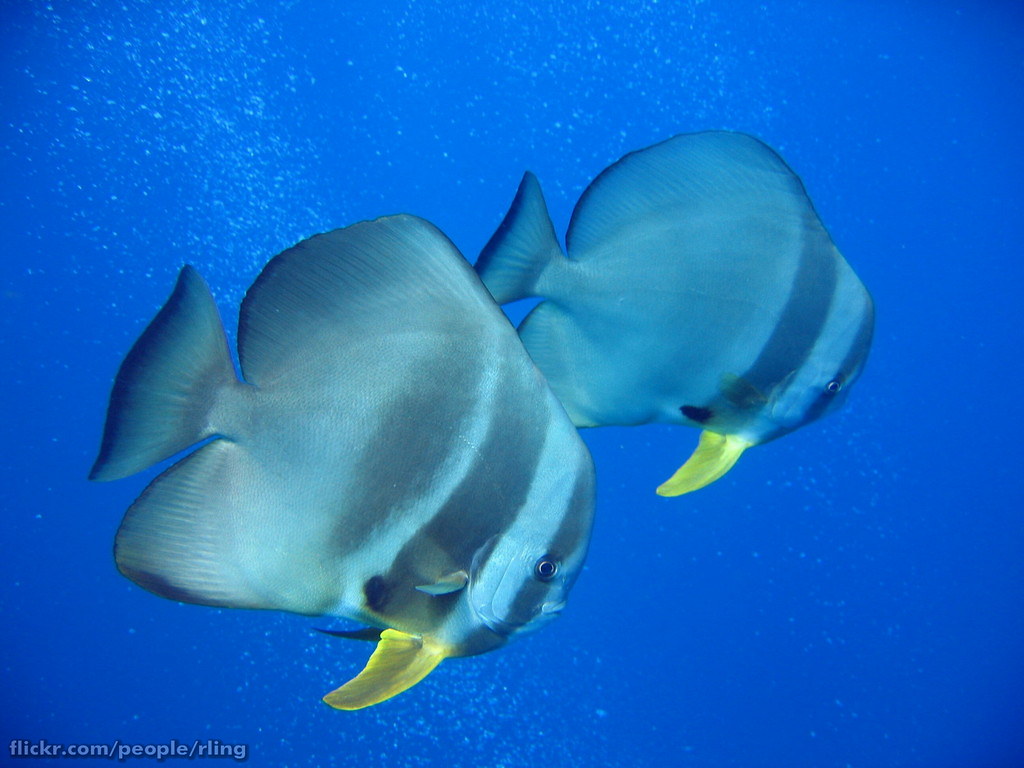
In the deep, dark depths where pressure is intense, lives the enigmatic blobfish. Unlike stereotypical swimmers, the blobfish lacks a swim bladder — an essential organ for buoyancy in most fish. Without this, it’s less about propelling through the water and more about gently floating above the sea floor, courtesy of their gelatinous body structure. By forsaking active swimming for a life of passive hovering, blobfish showcase how adaptation can still lead to survival in extreme environments.
Adaptations of Sea Horses
Yes, sea horses are indeed real fish, albeit with a very distinct lifestyle. These quirky creatures, known for their equine appearance, aren’t adept at swimming in the traditional sense. Their bodies are ill-suited for swift swimming, relying instead on their dorsal fin to propel them at a leisurely pace. However, their real prowess lies in clinging to seagrass and coral reefs with their prehensile tails, blending stealthily into their environment.
Master of Invisibility: The Stonefish
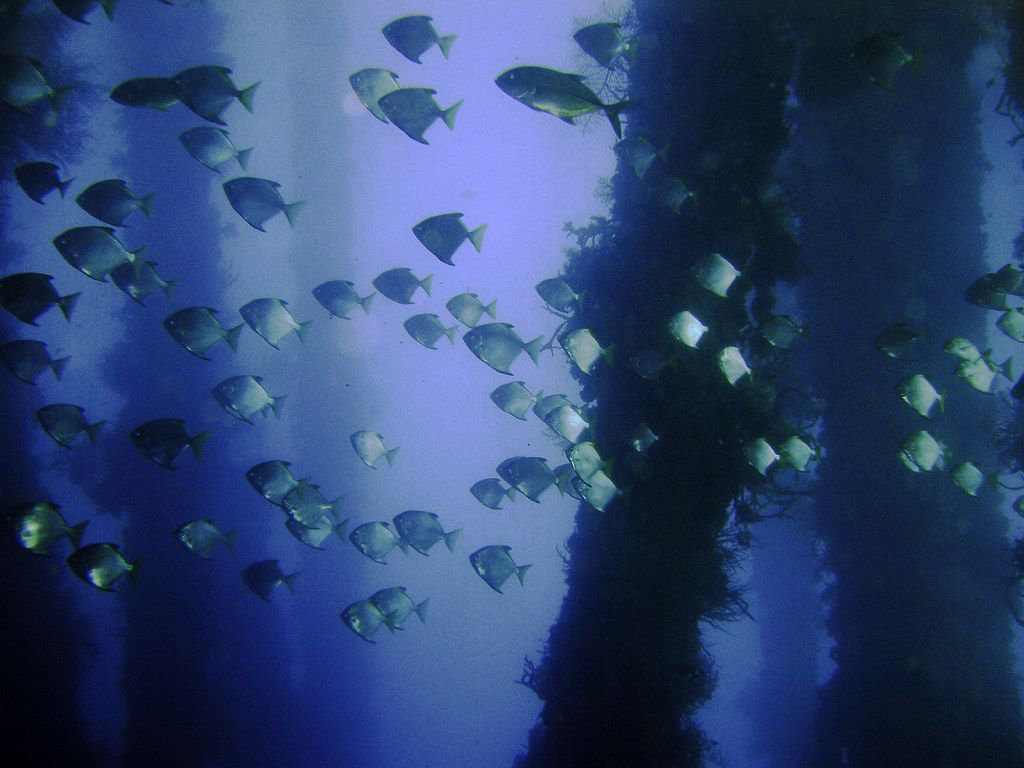
Regarded as one of the world’s most venomous fish, the stonefish is more about concealment than propulsion. Unlike your typical swimmer, stonefish spend much of their lives lying motionless on the ocean floor. With extraordinary camouflage, they blend seamlessly into rocky and coral terrain, waiting to ambush prey. It's a remarkable reminder that, in the animal kingdom, sometimes the best movement is no movement at all.
The Unusual Crawl of the Polka-Dot Batfish
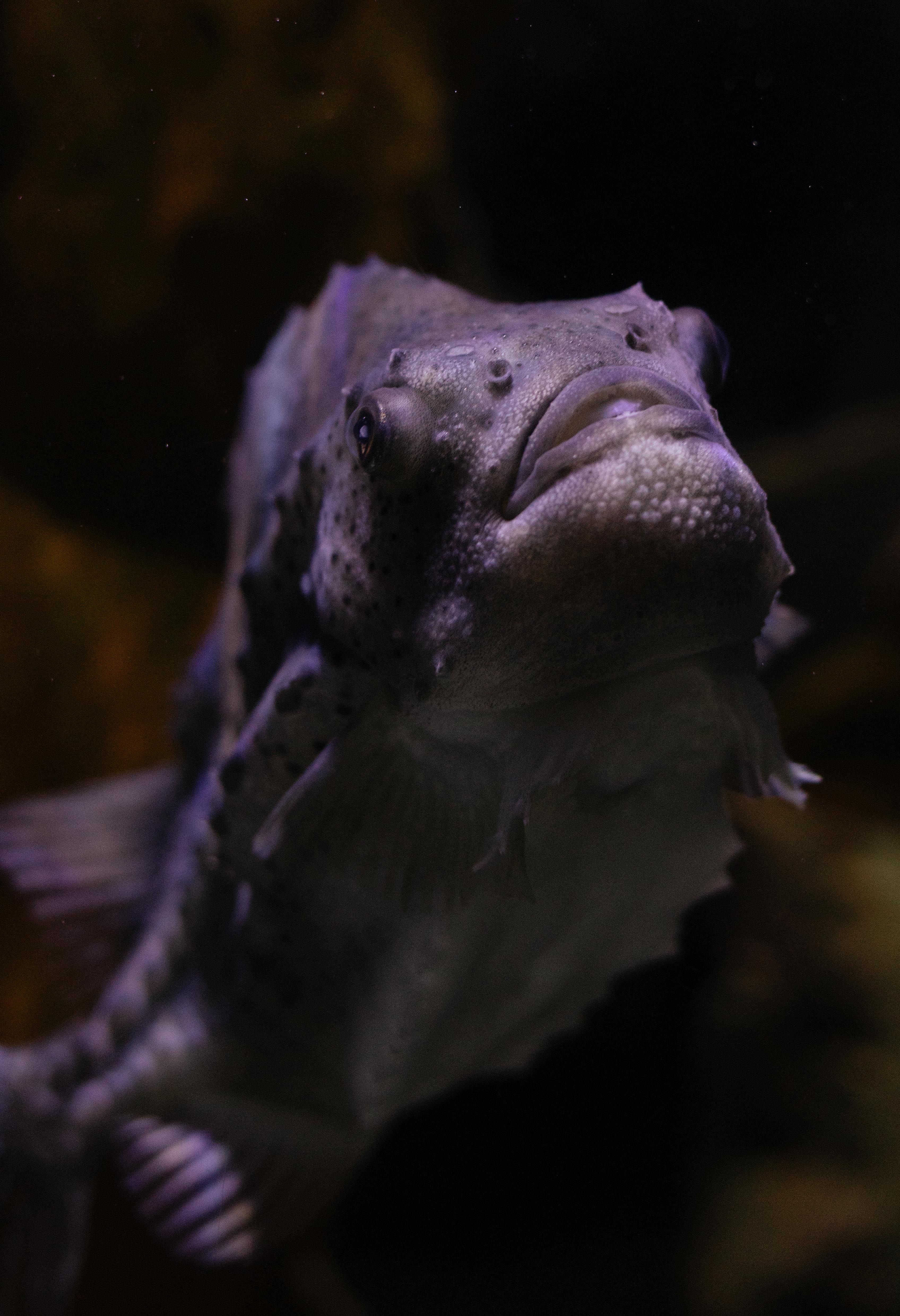
Another intriguing specimen is the polka-dot batfish. Known for their inability to swim well, they rely on their adapted fins to walk along the sea bottom. To learn more about this unique creature, visit their species profile.
A Family of Walkers: Ogcocephalidae
For an entire family of fish adapted to crawling, look no further than the Ogcocephalidae. Unlike traditional fish, members of this family have evolved to move more like four-legged creatures along the ocean floor, a fine example of nature's diverse adaptive strategies.
| Fish | Swimming Capability | Unique Adaptation |
|---|---|---|
| Blobfish | Poor | Gelatinous body for buoyancy |
| Sea Horse | Limited | Prehensile tail for grasping |
| Stonefish | Minimal | Camouflage for ambush hunting |
Lessons from a Fish Out of Water
These fascinating fish remind us that being different isn't always a disadvantage. They adapt differently to improve their survival prospects. Whether by clinging to plants, employing deadly defenses, or floating through the depths, each has embraced its limitations and turned them into strengths.
Do any of these fish challenge your perception of what it means to be a ‘swimmer’? How do you think we can apply the lessons of these unique fish to our own lives? Share your thoughts and join the conversation!
Frequently Asked Questions
Is there a fish that can't swim?
Yes, certain species of fish are not strong swimmers or are adapted for minimal movement. Examples include seahorses, batfish, and frogfish. These fish often rely on specialized adaptations like camouflage or drifting to survive rather than active swimming.
Why can't some fish swim?
Some fish can't swim well due to their body structure or specialized adaptations. For instance, seahorses have vertical bodies that make active swimming difficult. Others, like frogfish, use their pectoral fins to "walk" along surfaces instead of swimming.
What are examples of fish that don't swim?
Examples of fish that don't swim actively include seahorses, batfish, frogfish, and spiny devilfish. These species have evolved unique features to compensate for poor swimming ability, such as ambush hunting or blending into their environment.
How do fish survive if they can't swim?
Fish that can't swim well survive by employing alternative strategies like camouflage, lying in wait for prey, or adapting to environments where swimming is not essential, such as reefs or seabeds.
Can a fish stop swimming and still live?
Yes, some fish can stop swimming and still survive. Unlike species such as sharks that require constant motion to breathe, many fish like seahorses and frogfish can stay stationary for long periods without suffocating.
If you've been as captivated by these quirky, non-swimming fish as I have, there's plenty more to explore and discuss! I love diving into these obscure underwater stories and I'd be thrilled to share more with you. For your daily dose of aquatic wonders and other fascinating tidbits, feel free to check out our latest pins on Pinterest. Or, if you're more of a visual explorer, our adventures are just a click away on Instagram. Let's keep the conversation flowing (pun intended) over on X, formerly known as Twitter, where we share exciting updates. And of course, make sure to catch up with us on Facebook for more incredible stories and discoveries. Let's connect and continue this oceanic journey together!
