
Is Your Goldfish Playing Hide and Seek at the Bottom of the Tank?
It's more than just a curious quirk if your goldfish has suddenly taken a liking to lounging at the bottom of the tank. Behind this seemingly calm behavior might be hints of discomfort or health issues. Let's dive into what might be making your aquatic friend a bit of a bottom-dweller and unravel some effective solutions.
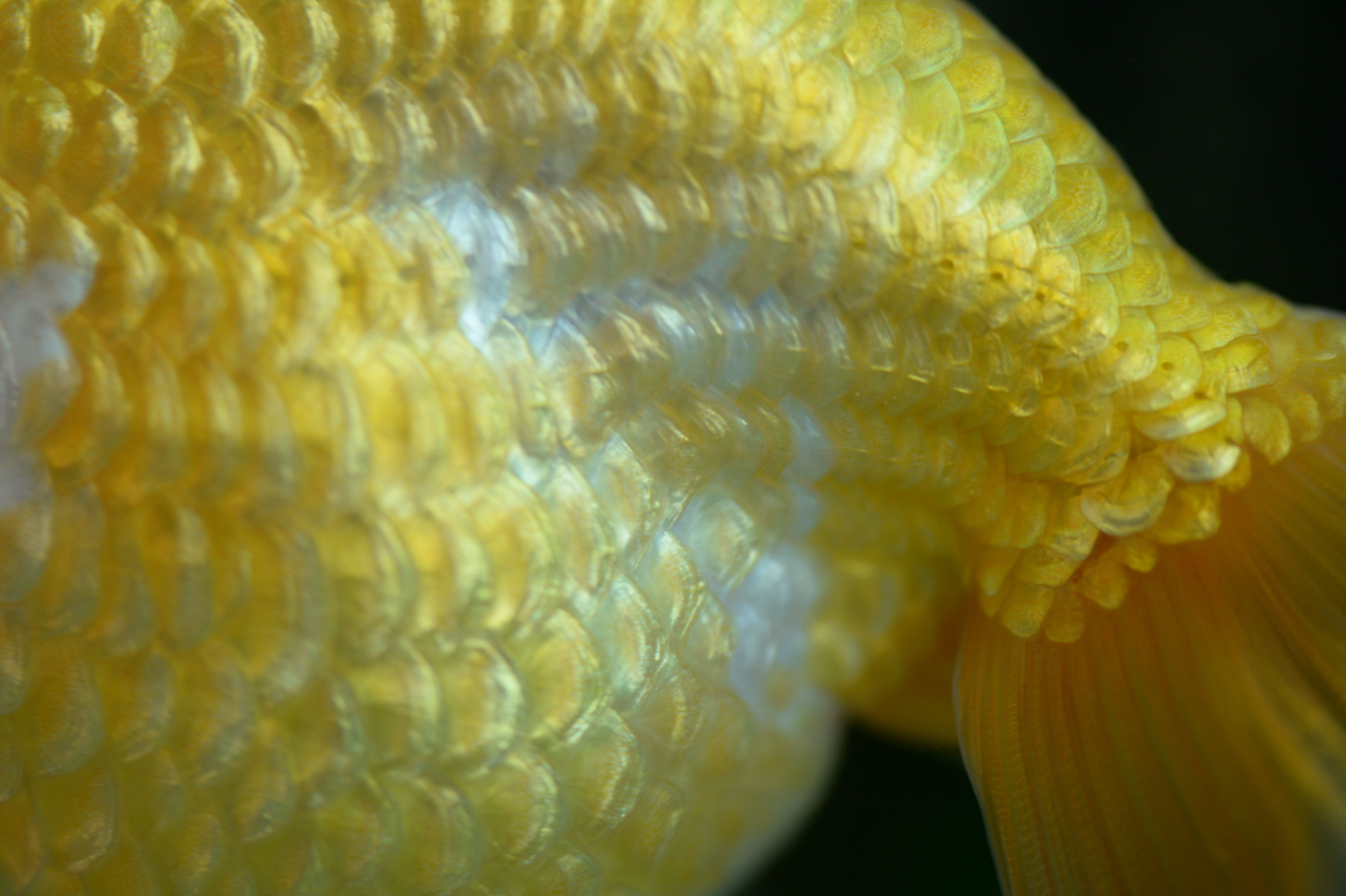
Why Do Goldfish Hang Out at the Bottom?
- Water Quality Woes
Goldfish are particularly sensitive to their aquatic environment. Poor water quality, often due to high ammonia or nitrite levels, can be a common culprit. Ammonia, created from waste and uneaten food, is toxic to fish. Even a slight imbalance can push your goldfish to seek refuge at the bottom. Learn more about how goldfish can live in tap water and essential care tips. - Temperature Tribulations
Goldfish thrive in water temperatures between 65-75°F (18-24°C). Too cold or too hot, and they might sink to the depths to escape the discomfort. It's crucial to understand what temperature goldfish prefer for their health. - Oxygen Levels
Although less common, low oxygen levels can drive goldfish to sit at the bottom, as cooler lower layers of water may hold more oxygen. - Illness or Stress
Illnesses such as swim bladder disease can lead a goldfish to float awkwardly or rest at the bottom. Stress from overcrowding or aggressive tank mates could also be the trigger. Discover the causes of red spots on goldfish and remedies to explore potential health issues. - Boredom
Yes, fish can get bored too! Without enough stimulation, goldfish might simply rest more often.
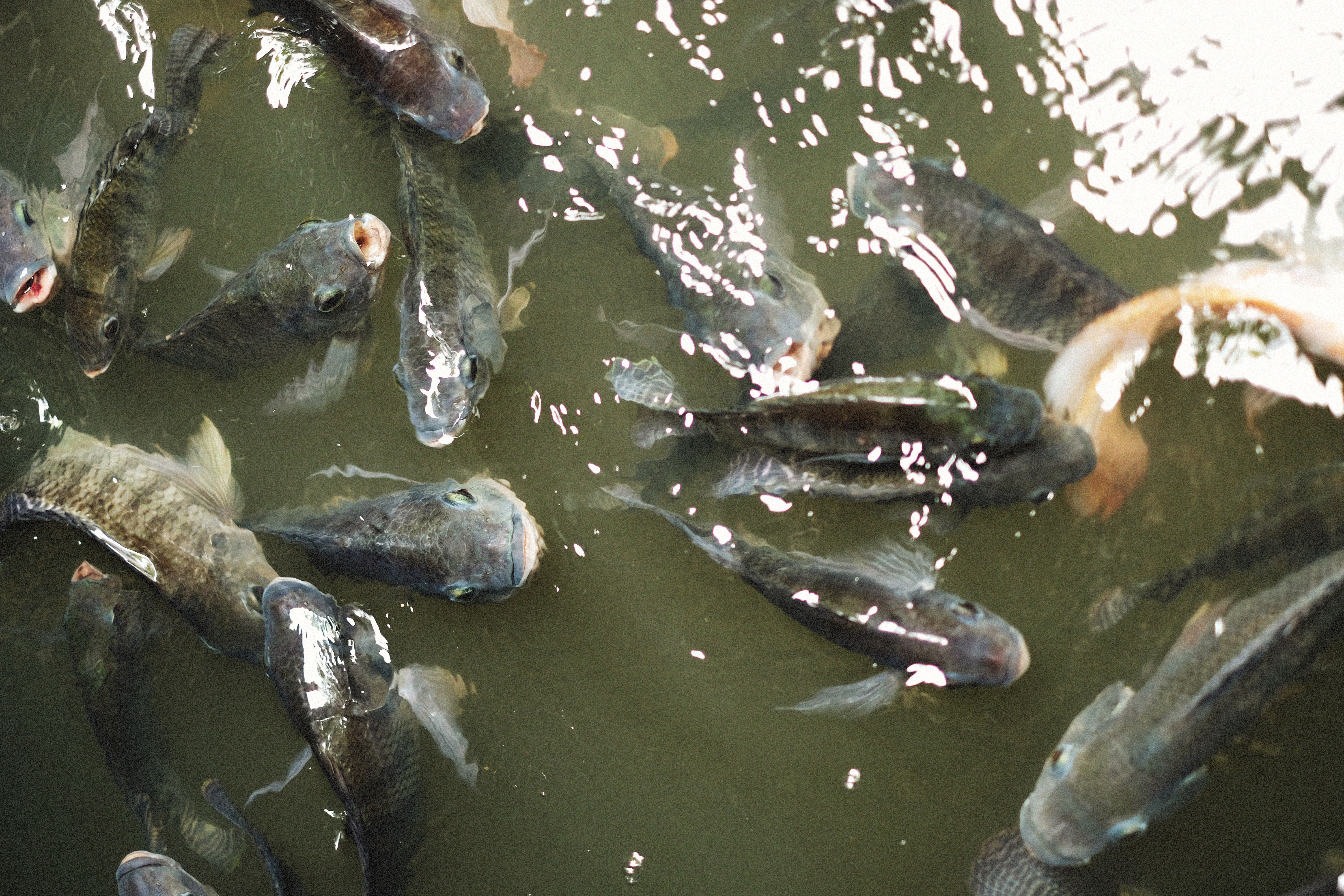
Actionable Solutions to Help Your Goldfish
Regular Water Tests
Invest in a water testing kit to frequently check ammonia, nitrite, and nitrate levels. Proper filtration and regular water changes can maintain a healthy environment. Understanding the ideal pH level for goldfish is crucial for optimal care.
Temperature Checks
Use a reliable aquarium thermometer. Avoid placing the tank in direct sunlight or near heat sources to maintain a stable temperature. Knowing the best time to feed goldfish can also contribute to their overall health.
Ensure Adequate Aeration
Add an air stone or a small pump to the tank to keep oxygen levels high, especially in tanks that tend to be crowded or are under-filtered.
Watch for Illness
Monitor your fish for other symptoms like fin rot, odd swimming patterns, or visible marks. If you notice signs of illness, consider consulting a vet specializing in aquatic animals.
Enrich Their Environment
Introduce elements like plants or hiding spots to the tank. Goldfish enjoy exploring, so varied scenery can perk up their activity level.
So, what's your goldfish been up to lately? Have you noticed any changes in their behavior? Share your experiences or questions below—after all, your insights could help a fellow fish enthusiast solve a similar mystery!
Frequently Asked Questions
What does it mean when my goldfish stays at the bottom of the tank?
When a goldfish stays at the bottom of its tank, it could be a sign of stress, illness, or poor water quality. Ensure the tank is clean, water parameters are suitable, and consider consulting a veterinarian if the behavior persists.
What to do if your goldfish is sitting at the bottom of the tank?
If your goldfish is sitting at the bottom of the tank, check the water quality (ammonia, nitrites, pH levels), ensure the temperature is suitable, and monitor for signs of disease. Perform a partial water change and offer high-quality food.
Why is my goldfish at the bottom of the tank but breathing?
A goldfish sitting at the bottom but still breathing can indicate mild discomfort or a health issue such as swim bladder disease. Examine tank conditions, and ensure the fish is not stressed by aggressive tank mates or poor water quality.
How can water quality affect a goldfish's behavior?
Water quality plays a critical role in a goldfish's health. High levels of ammonia, nitrites, or imbalanced pH can cause lethargy, stress, or illness. Regular water changes and testing ensure a safe environment for your fish.
How do I know if my goldfish is sick?
Signs of a sick goldfish include staying at the bottom of the tank, clamped fins, loss of appetite, discoloration, or erratic swimming. If you observe these symptoms, address water quality and consult a fish health expert if needed.
Whether you're a goldfish enthusiast or simply curious about these fascinating creatures, we love sharing insights and tips to help your aquatic friends live their best lives. If you're eager to explore more about aquarium care and fish health, we’d be thrilled to have you join our vibrant online community! Dive into inspiring aquarium designs and more on our Pinterest, and see how creativity meets aquatic life. Connect with us for daily bursts of fishy inspiration and stunning photos. You can also keep up-to-date with our latest musings and quick tips through X, and join the conversation with fellow fish lovers on our Facebook page. We can't wait to swim along with you on this delightful journey into the aquatic world!
