
Understanding and Managing Cloudy Eyes in Fish
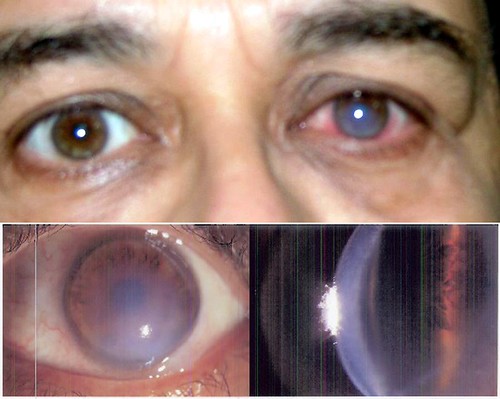
Did you ever peer into your fish tank only to find Nemo looking a bit off with cloudy eyes? It’s a startling sight for any aquarium owner, but luckily, it's not necessarily a death sentence for your aquatic friend. Let's explore practical methods to address and prevent this common issue in your little underwater haven.
Understanding Cloudy Eyes in Fish

Cloudy eyes in fish isn't just a cosmetic issue—it's often a glaring signal that something is amiss in your aquarium. This condition is typically caused by poor water quality, physical trauma, or bacterial infections. Identifying the root cause is crucial to properly treating it and ensuring the overall well-being of your fish.
Addressing Water Quality Concerns

Fish are extremely sensitive to their environment, making water quality a top priority. Ammonia, nitrite, and nitrate levels are culprits in causing stress and health issues, including cloudy eyes. Regularly test your tank's water, aiming for zero ammonia and nitrites, and maintaining nitrates below 20 ppm.
Here's a simple action plan to improve water quality:
- Regular Water Changes: Implement a routine of 25-30% water changes each week. This helps in diluting toxins and refreshing the ecosystem.
- Proper Filtration: Ensure your filter is the correct size for your tank, and clean it according to manufacturer instructions.
- Aquarium Maintenance: Vacuum gravel and remove uneaten food residue to avoid waste buildup.
Treating Infections and Physical Injuries

If you suspect bacterial infections as the cause, treating your fish promptly is key. Medicated fish food and antibacterial solutions available at pet stores can help combat these infections. However, always quarantine affected fish before treatment to prevent the spread of disease. Similarly, if an injury is the cause, creating a safe tank environment reduces the risk of further harm.
Implementing Preventive Measures

Prevention is always better than cure when it comes to cloudy eyes. Here’s a quick checklist to help keep your fish healthy:
- Stable Environment: Maintain stable water temperatures suitable for your fish species, as fluctuations can stress and weaken them.
- Balanced Diet: Offer a varied diet rich in essential nutrients and vitamins to boost fish health and immunity.
- Reduce Stress: Limit overstocking and aggressive tank mates that can cause stress and injury.
Quick Comparison of Major Causes
Here's a simple comparison of the major factors leading to cloudy eyes in fish:
| Cause | Effect on Fish | Preventative Tip |
|---|---|---|
| Poor Water Quality | Stress and illness | Regular water changes and testing |
| Physical Trauma | Eye injuries | Safe tank environment |
| Bacterial Infections | Cloudy eyes and lethargy | Quarantine and treat affected fish |
Engage and Learn More
Have you encountered the cloudy eye dilemma with your fish, or do you have tips to share from your own aquarium experiences? Join the conversation by commenting below or sharing your story. Let's help each other keep our aquatic pals healthy and their world crystal clear! For further insights into fish care, check out our recent articles.
Frequently Asked Questions
How do you fix cloudy eyes on a fish?
To fix cloudy eyes in fish, perform a water change of about 25-30%, clean the filter media, and add fresh activated carbon. Ensure proper tank conditions with balanced pH, low ammonia levels, and adequate filtration. If the issue persists, consider treating with fish-safe antibiotics or consulting a vet.
What causes cloudy eyes in fish?
Cloudy eyes in fish can be caused by poor water quality, bacterial infections, injuries, or parasites. Contaminated water, high ammonia levels, or stress can also contribute to this condition. Regular tank maintenance and monitoring water conditions can help prevent this problem.
Is cloudy eye in fish contagious?
Cloudy eye itself is not necessarily contagious, but it can be a symptom of an underlying issue like bacterial or parasitic infections that may spread to other fish. Quarantine any sick fish and improve tank conditions to avoid spreading diseases.
Can cloudy eye in fish heal on its own?
In mild cases caused by temporary stress or minor injuries, a fish’s cloudy eye may heal on its own with clean, well-maintained water and reduced stress. However, if caused by an infection or poor water quality, intervention may be needed to ensure healing.
What is the best home treatment for fish with cloudy eye?
For home treatment, start by improving water quality with a water change and test the pH, ammonia, and nitrate levels. Detoxifying agents and fish-safe salt can help reduce stress. If signs of infection arise, over-the-counter fish medications can be used.
So, as we wrap up our deep dive into the treatment of cloudy eyes in your darling fish pals, remember that keeping a keen eye on their environment and health is key. We love hearing about your own fish tales and the creative ways you ensure their happiness! If you're itching to dive deeper into fish care or just share a quirky fish meme, why not swim over to our Pinterest? We often spill the fishy tea there. For behind-the-scenes peeks and snaps of our aquatic adventures, follow us on Instagram. We're also on X (formerly Twitter) and Facebook, where we share tips and tricks for keeping finned friends happy and healthy. Pop by and say hello—I promise we don't bite!
