
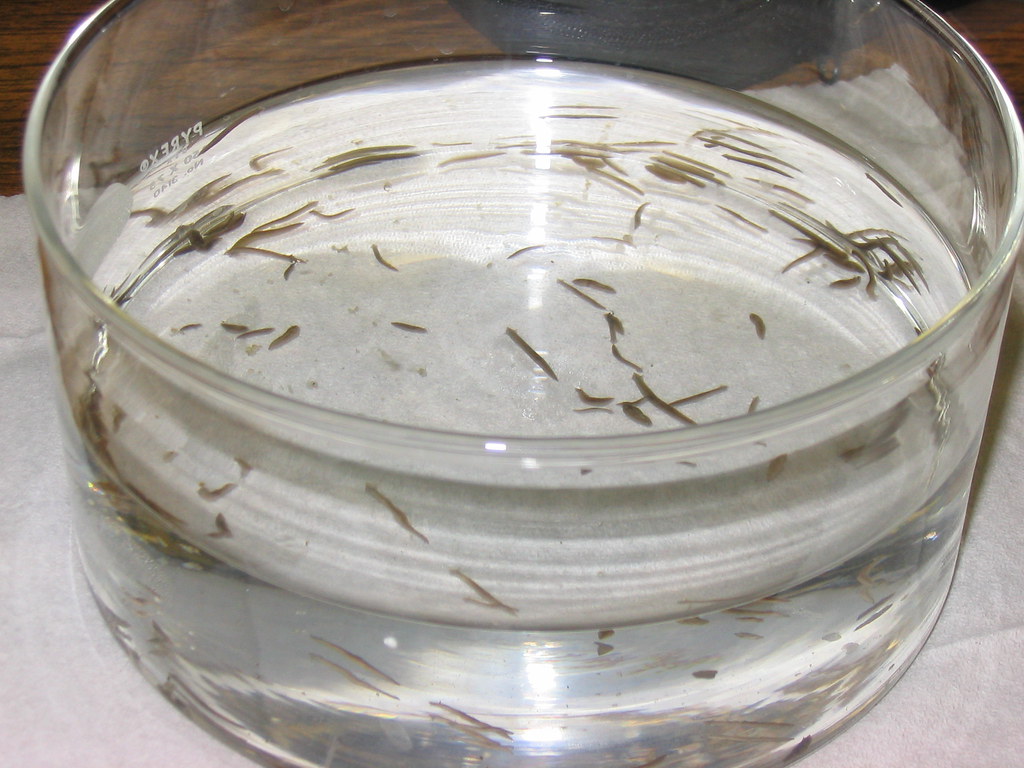
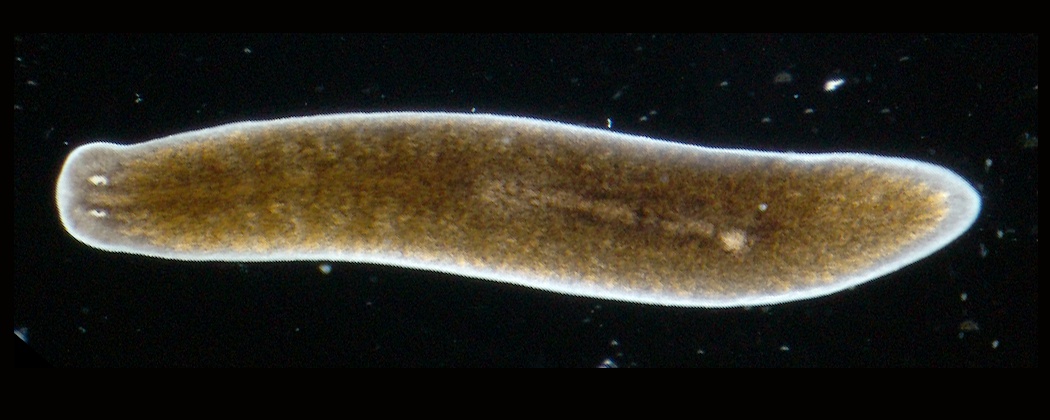
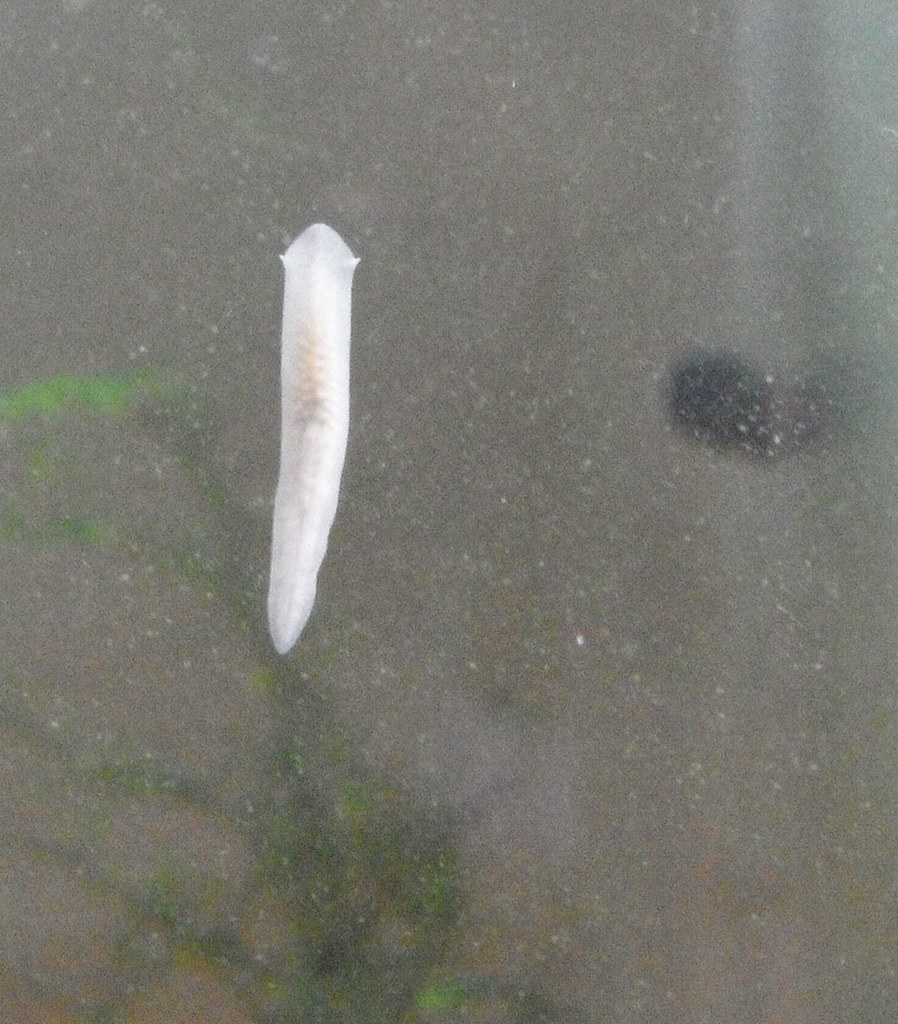
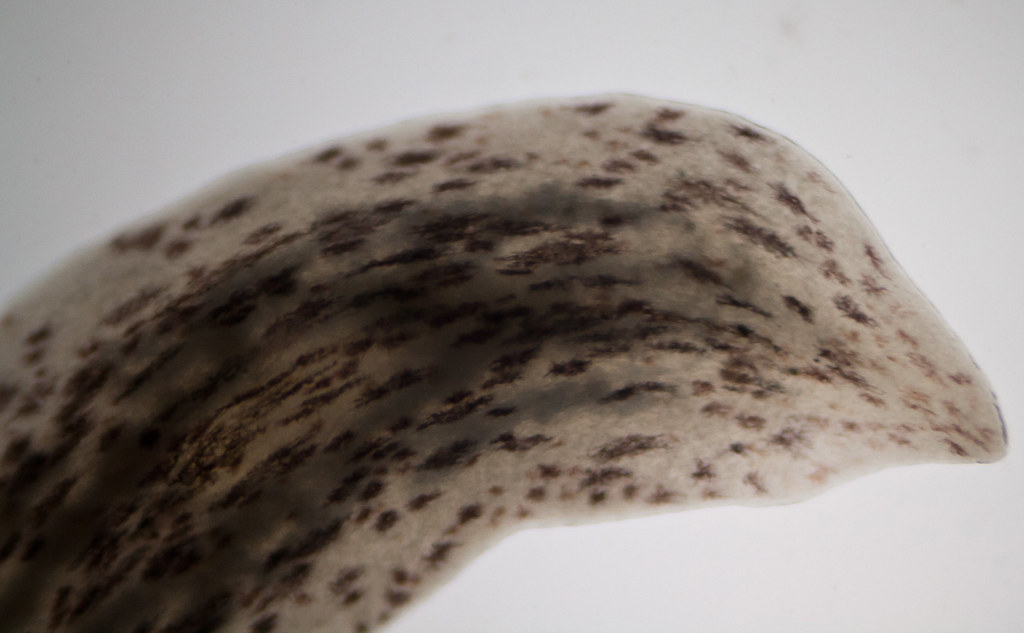
Did you ever watch your aquarium with a sense of unease, noticing those pesky little flatworms known as planaria seemingly materializing from nowhere? Well, you're not alone. These tiny intruders can sneak into nearly every fish tank, and while some fish won't give them a second glance, others see them as a tasty snack. The good news? Creating a natural planaria defense mechanism is as simple as stocking your tank with the right fish.
Planaria worms in fish tank can become quite a nuisance, but understanding how to tackle them can make a huge difference in maintaining a healthy aquarium environment.
Fish That Relish Planaria
Let's dive into the list of aquatic friends that double as planaria exterminators:
- Guppies: These vibrant little swimmers aren't just pretty to look at; they're known for their appetite for planaria. Guppies are manageable in community tanks and have the bonus of being easy to care for, making them ideal for both novice and experienced aquarists.
- Betta Fish: Besides being known as excellent solo tank companions due to their temperament, bettas are efficient planaria hunters. They add a vivid splash of color to your tank while munching away on those unwanted worms.
- Assassin Snails: Not exactly a fish, but worth a mention, these snails thrive on planaria and other pests. They work slowly, but effectively, helping to keep your aquarium free of nuisances without disturbing other inhabitants.
- Gouramis: Known for their unique labyrinth organ and beautiful coloring, gouramis love hunting for snacks, including planaria. They provide both beauty and functionality to any tank they inhabit.
- Dwarf Cichlids: These feisty little creatures can clean up planaria while providing a lively atmosphere in your tank with their vivid colors and interesting behaviors.
Choosing the Right Fish for Your Tank
Selecting the appropriate planaria-eating fish depends on several factors, such as tank size, current inhabitants, and personal preference. Here's a simple comparison to guide your decision:
| Fish | Tank Compatability | Care Level |
|---|---|---|
| Guppies | High | Easy |
| Betta Fish | Medium | Intermediate |
| Gouramis | High | Moderate |
Supporting Your Anti-Planaria Allies
Once you've picked your aquatic planaria predator, it’s important to maintain an environment that allows them to thrive and do their job efficiently:
- Balanced Feeding: Ensure your planaria-eating inhabitants get enough of their usual diet. Overfeeding can reduce their desire to hunt planaria.
- Proper Tank Conditions: Regular water changes and maintaining the correct pH levels are crucial. Fish in a healthy environment will naturally explore and hunt.
- Aquatic Decor: Offer plenty of hiding spots and plants. This not only helps reduce stress in your fish but also makes it easier for them to ambush pesky planaria.
Having these allies in your tank can shift the balance against planaria infestations naturally and effectively. Plus, it can save you the hassle of using chemical solutions that might disrupt your aquarium's ecosystem.
What strategies have you tried to manage planaria in your tank? Are there any overlooked species that have helped keep infestations at bay? Share your experiences in the comments—your insights might just help a fellow aquarist regain control of their underwater haven!
Frequently Asked Questions
Which fish are best for eating planaria?
Many fish are effective at eating planaria, including dwarf chain loaches, bettas, guppies, and certain species of tetras. Ensure the selected fish are compatible with the other tank inhabitants for a balanced ecosystem.
Do yoyo loaches eat planaria?
Yes, yoyo loaches are known to eat planaria. In addition to being excellent at controlling this pest, yoyo loaches can add a lively presence to your aquarium. They thrive in groups and enjoy a well-maintained tank environment.
Will planaria harm fish or shrimp in an aquarium?
Planaria generally do not harm fish but can be dangerous to shrimp, especially smaller or baby shrimp. They may attack shrimp eggs or newly-hatched shrimp, so controlling their population is important in shrimp tanks.
How can I reduce planaria without adding fish?
You can reduce planaria by minimizing overfeeding, cleaning uneaten food, and performing frequent water changes. Specialized traps and chemical treatments like dewormers also help control planaria populations effectively.
What causes planaria in aquariums?
Planaria often appear due to overfeeding and poor tank maintenance. Excess food provides them with sustenance, allowing them to thrive. Maintaining water quality and reducing leftover food are crucial to avoiding planaria infestations.
So there you have it, folks! Dealing with planaria in your aquarium doesn't need to be a nightmare. By introducing the right fish, you're not just keeping these sneaky visitors in check but also enhancing the natural beauty of your aquatic world. If you found this article helpful and are eager for more tips on all things aquatic, why not dive deeper with us? Check out and follow our Pinterest for creative aquarium inspirations, or catch a glimpse of our thriving underwater worlds and more on Instagram. We’d also love to chat with you on X (formerly Twitter), where we share quick tips and answer your questions. And of course, don't forget to like our Facebook page to stay connected with the latest updates. Can't wait to see you there!
