

When it comes to setting up the ideal home for your zebra loach, tank size is of utmost importance—it's the difference between a thriving, happy fish and one that's perpetually stressed out. To learn more about the general biology and origin of the zebra loach, you can explore this detailed overview.
Why Bigger is Better

Zebra loaches are social creatures, preferring to live in groups of at least five or six, which means you'll need a tank that can comfortably accommodate a small school. A smaller tank can lead to aggressive behaviors, as these fish may feel cramped and stressed. For zebra loaches, a minimum of a 30-gallon tank is essential, though larger is always better. Giving them plenty of space helps to mimic their natural environment, allowing them to swim and explore without bounds.
Space for Exploration and Play

Picture the zebra loach's natural habitat: riverbeds with plenty of hiding spots among rocks and vegetation. To recreate this environment, your tank should not only be large but also well-decorated. Include caves, driftwood, and plants to provide ample hiding spots, which are crucial for these fish to feel secure.

Here's a simple table to help you decide on the right tank size for various loach group sizes:
| Number of Zebra Loaches | Minimum Tank Size (Gallons) | Recommended Tank Size (Gallons) |
|---|---|---|
| 5 | 30 | 40 |
| 6-8 | 40 | 50 |
| 9-12 | 50 | 75+ |
Balancing the Ecosystem
When planning the ideal zebra loach tank, consider the other species you may wish to include. They're peaceful and get along with numerous species, but overstocking can quickly turn any tank from a serene haven to a biodiversity disaster. Just like overcrowded humans, overcrowded fish get cranky!
Water Dynamics Matter Too
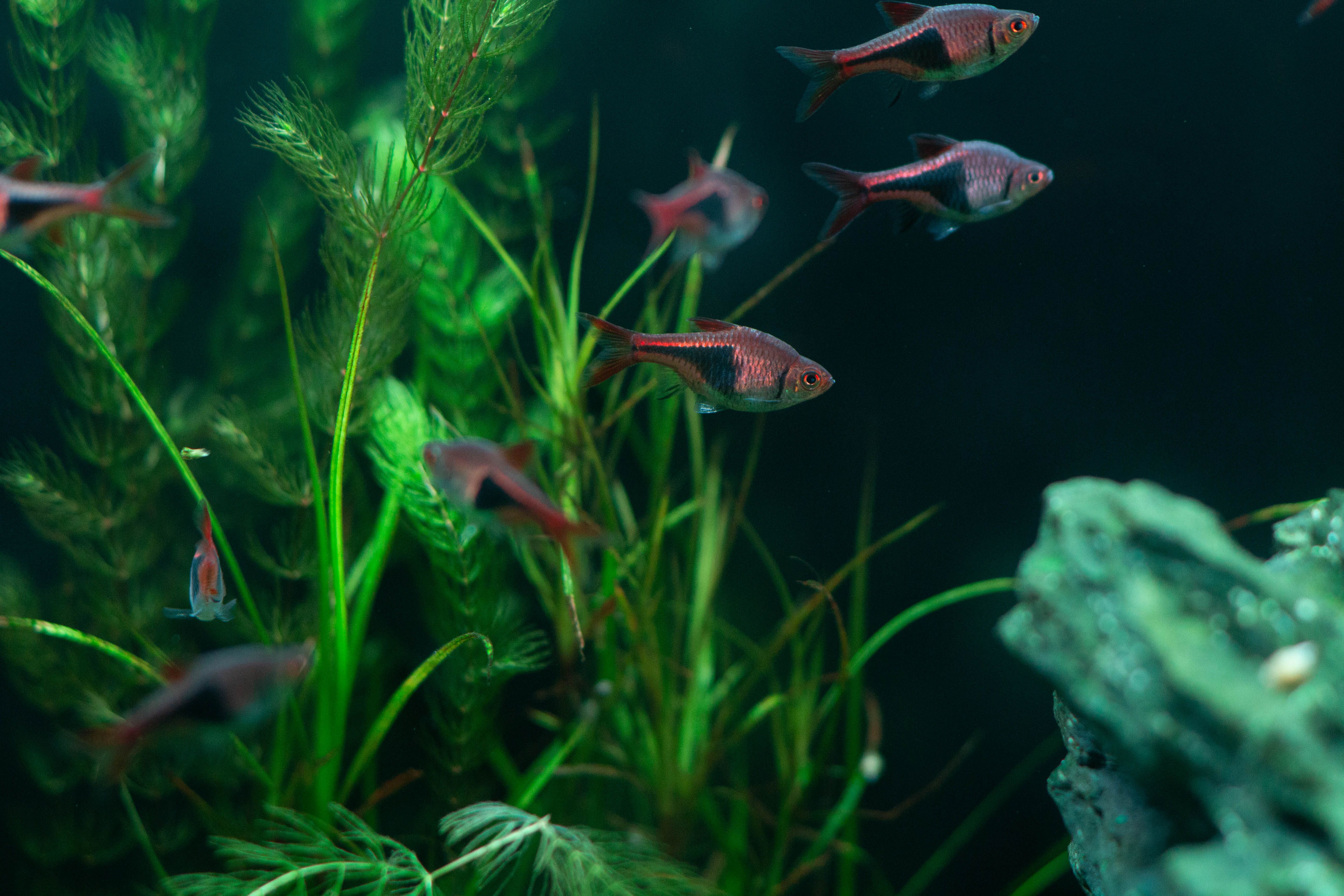
Aside from physical tank space, consider water dynamics. Zebra loaches prefer clean, well-oxygenated water with a good current. An efficient filtration system is vital to maintain water quality and reduce stress on your fish. The filter should support the volume of water in your chosen tank to keep your loaches healthier and happier.
Your Turn to Dive In

Are you ready to dive in and create a wonderful world for your zebra loaches? Share your tank setup or plans in the comments below. Got questions or tips for fellow fish enthusiasts? We’d love to hear from you!
Frequently Asked Questions
What is the ideal tank size for a zebra loach?
The ideal tank size for a zebra loach is at least 30 gallons. This ensures they have ample space to swim and explore while accommodating their social needs, as zebra loaches thrive in groups.
Are zebra loaches aggressive?
Zebra loaches are generally peaceful and not aggressive. They are social fish that prefer living in groups and usually coexist well with other non-aggressive fish in a community tank.
How many zebra loaches should I keep together?
Zebra loaches are shoaling fish and should be kept in groups of at least 5. This helps reduce stress and allows them to display their natural social behaviors, ensuring a healthier environment.
What do zebra loaches eat?
Zebra loaches are omnivorous and enjoy a mix of sinking pellets or wafers, live or frozen foods like bloodworms, and blanched vegetables. Providing variety keeps them healthy and active.
Can zebra loaches live with other fish?
Yes, zebra loaches can live with other peaceful fish. They are great in community tanks with species like tetras, guppies, or rasboras. Avoid housing them with aggressive or overly dominant fish to prevent stress.
As you embark on this underwater adventure with your zebra loach, remember that we're here to make the journey even more enjoyable! We love sharing more tips and beautiful tank inspiration, so if you're looking for ideas, check out our Pinterest boards. For daily doses of aquatic beauty or to peek at how others have set up their loach habitats, feel free to follow us on Instagram. And let's not forget our vibrant community over on Facebook, where you can connect with fellow fish enthusiasts. For quick tips and engaging discussions, join us on X (formerly Twitter). We're excited to be part of your fishkeeping journey—let’s dive in together!
