
Understanding the Color Change in Betta Fish

Color changes in betta fish, particularly to white, can be attributed to several factors. Betta fish possess vibrant colors that can vary with genetics, environment, and health.
Why Is My Betta Fish Turning White?
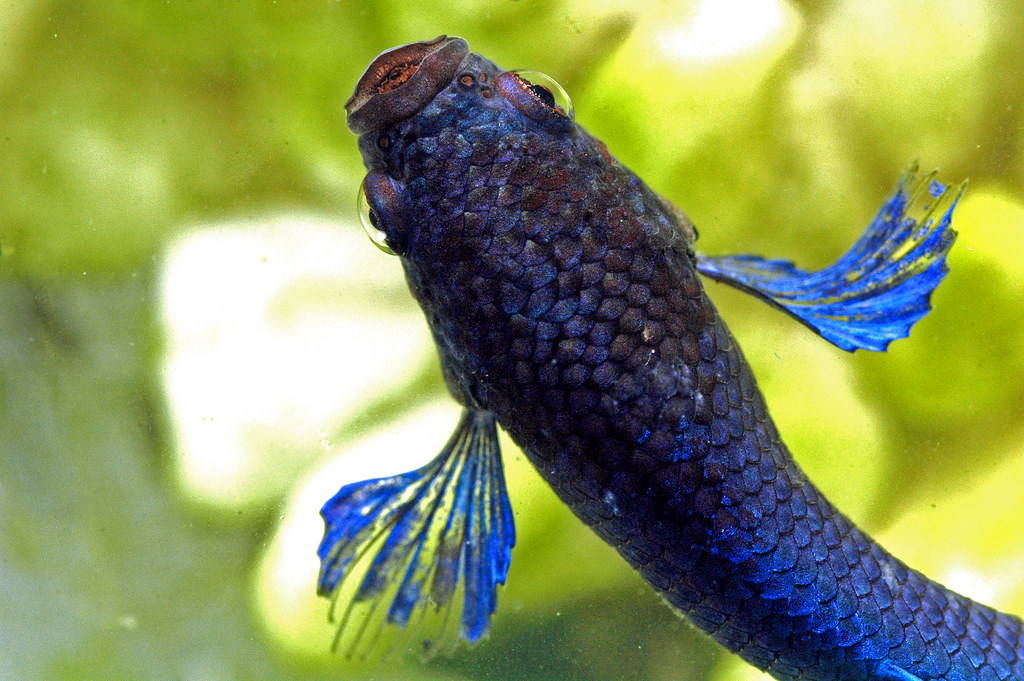
- Stress and Environment: Betta fish are sensitive to their surroundings. Sudden changes in water temperature, inadequate tank cleaning, or aggressive tank mates can stress these fish, leading to a color fade, including a shift to white. For more details, you can refer to this comprehensive guide on Siamese fighting fish.
- Illness and Parasites: Fungal infections and parasites like Ich (white spot disease) can manifest as white patches on a betta's body. Keep an eye out for other symptoms like labored breathing and lethargy, which could indicate an underlying health issue. Learn more about prevention and treatment of diseases in Betta Fish New Tank Syndrome.
- Dietary Deficiencies: A nutrient-poor diet can also result in color changes. Ensuring a balanced diet rich in proteins and essential vitamins can help maintain the vibrant colors of a betta fish. You might find this article helpful: Why is My Betta Fish Losing Color?
- Aging: As bettas age, it's natural for them to undergo some color changes. An older betta may lose its color vibrancy and develop more white areas as it's part of the aging process.
How to Address Color Changes
- Maintain Optimal Tank Conditions:
- Regularly monitor and adjust the water pH and temperature.
- Clean the tank consistently and perform regular water changes.
- Ensure the tank environment is stable and not overcrowded with aggressive species.
- Inspect for Signs of Illness:
- Look for symptoms like clamped fins, loss of appetite, or unusual swimming patterns.
- Consult with a vet or a pet store specialist if you suspect infection or parasites. For more prevention tips, check out Freshwater Aquarium Fish Diseases & Prevention.
- Enhance Their Diet:
- Incorporate high-quality betta pellets or flakes.
- Supplement with occasional blood worms or brine shrimp for a nutritional boost.
Table: Factors and Remedies for Betta Fish Turning White
| Factor | Description | Remedy |
|---|---|---|
| Stress | Due to environmental changes or tank mates | Stabilize tank conditions, reduce stressors |
| Illness | Includes fungal and parasitic infections | Consult a vet; treat with appropriate medication |
| Diet | Poor nutrition affecting color | Provide a balanced and varied diet |
In the vibrant world of betta fish, a color change to white can be more than just a visual curiosity—it's an important clue about what your fish might be experiencing. From stress and dietary issues to health concerns, each possibility provides an opportunity for you to ensure the happiness and health of your aquatic companion.
Have you noticed your betta fish changing colors, or do you have tips on keeping your fish healthy and vibrant? Share your stories and advice with the community!
Frequently Asked Questions
Why is my betta fish turning white but still eating?
Your betta fish may be turning white due to stress, disease, aging, or environmental factors. If they are still eating and active, monitor their behavior and check their water parameters to ensure they are optimal.
What are the signs of stress in a betta fish?
Signs of stress in a betta include loss of color, erratic swimming, clamped fins, and reduced appetite. Proper water conditions, a clean tank, and minimal disruption can help reduce stress.
Can changes in water quality make a betta fish turn white?
Yes, poor water quality or sudden changes in pH, ammonia, or nitrate levels can cause stress, leading to discoloration or a white appearance in betta fish. Regular water changes and testing can prevent this.
What diseases cause betta fish to lose color?
Diseases such as ich, columnaris, and fungal infections can lead to discoloration in bettas. Look for other symptoms like spots, patches, or unusual swimming behavior to identify the illness.
How can I prevent my betta fish from turning white?
To prevent your betta from turning white, maintain a clean tank, test water regularly, avoid overfeeding, and provide a stress-free environment. Observe their health and behavior frequently for early intervention.
As you explore the colorful world of betta fish, we hope this article sheds some light on the mysterious process of color change, especially when your vibrant friend starts to turn white. If you're as captivated by these beautiful creatures as we are, why not dive deeper into the topic by following us on social media? Discover stunning images and tips for caring for your aquatic companions on our Pinterest page, or get a behind-the-scenes look at our aquatic adventures on Instagram. For regular updates and quick tips, connect with us on X (formerly Twitter), and don't forget to join our growing community on Facebook. We love hearing your stories and seeing your betta fish photos, so let's keep the conversation going. See you on social, fish enthusiasts!
